

Who is Timothée Chalamet? Timothée Hal Chalamet is one of the defining breakout figures of modern global cinema, but his influence reaches far beyond film roles or box office success. Emerging in the late 2010s as a symbol of a new generation of actors, Chalamet represents a cultural shift in how youth identity, masculinity, fashion, and creative expression are perceived worldwide. His rise coincided with a moment when global audiences were increasingly drawn to authenticity, vulnerability, and individuality, values that Chalamet embodies both on and off screen.
Today, Timothée Chalamet is globally relevant not just because of the films he stars in, but because of what he represents culturally. He has become a reference point for Gen Z and young millennials navigating self-expression in a digital, image-driven era. From red carpet fashion choices that challenge traditional norms to interviews that reflect introspection and cultural awareness, Chalamet has emerged as a figure who blurs the line between cinema, youth culture, and global influence.
As searches for Timothée Chalamet biography continue to grow, audiences are not just looking for a career timeline. They are seeking to understand why he resonates so deeply across borders, and why he has become a symbol of a changing cultural moment in global youth identity.
Early Life and Background
Timothée Chalamet was born on December 27, 1995, in New York City. He grew up between Manhattan’s Hell’s Kitchen neighborhood and summers in Le Chambon-sur-Lignon, a small town in France. This dual upbringing played a significant role in shaping his worldview, giving him early exposure to both American and European cultural perspectives.
Chalamet was raised in a family deeply connected to the arts and intellectual life. His mother worked in dance and performance-related fields, while his father was involved in journalism and global communications. This environment encouraged curiosity, cultural literacy, and creative exploration from a young age. Fluent in both English and French, Chalamet developed a cross-cultural identity that would later contribute to his global appeal.
He attended LaGuardia High School of Music & Art and Performing Arts, an institution known for producing influential figures across entertainment and culture. At LaGuardia, Chalamet refined his craft while also developing a sense of individuality that set him apart from traditional Hollywood archetypes. His education emphasized discipline, collaboration, and artistic experimentation, all of which would later shape his approach to public life and influence.
Growing up in a multicultural, media-saturated environment also exposed Chalamet to broader conversations around identity, masculinity, and creative freedom. These early influences positioned him not just as a performer, but as a cultural participant shaped by global perspectives.
Career Breakthrough and Key Milestones
Timothée Chalamet’s career breakthrough came with Call Me by Your Name, a film that became a cultural moment rather than just a critical success. His performance introduced him to a global audience and marked the arrival of a new kind of leading figure in cinema, one defined by emotional openness, nuance, and introspection.
What made this breakthrough particularly significant was timing. Chalamet emerged during a period when younger audiences were questioning rigid definitions of masculinity and seeking representation that felt emotionally honest. His rise aligned with a broader cultural movement toward vulnerability and self-awareness in storytelling.
Following his breakout, Chalamet became increasingly selective with his projects, choosing roles that emphasized complexity rather than spectacle. These choices reinforced his reputation as a thoughtful figure who prioritizes artistic meaning over traditional celebrity branding. His collaborations with respected directors further positioned him as a bridge between independent cinema and mainstream global audiences.
Beyond film selection, Chalamet’s public presence became part of his cultural influence. He avoided overexposure, maintained a sense of mystery, and engaged thoughtfully with media. This approach resonated strongly with younger audiences fatigued by hyper-commercialized celebrity culture.
His rise reflects broader patterns explored in why cultural trends go global faster than ever, where digital platforms and global media cycles allow certain figures to rapidly transcend national boundaries.
Cultural Impact and Global Influence
Timothée Chalamet’s cultural impact is rooted in how he represents a shift in youth identity, particularly around masculinity, self-expression, and emotional openness. Unlike traditional leading men, Chalamet does not rely on physical dominance or stoic detachment. Instead, his image emphasizes sensitivity, introspection, and creative authenticity.
This has made him especially influential among Gen Z audiences across Europe, North America, Asia, and parts of Africa, where global youth culture increasingly values individuality over conformity. Chalamet’s ability to resonate across cultures stems from his rejection of rigid identity markers and his embrace of fluidity in style and expression.
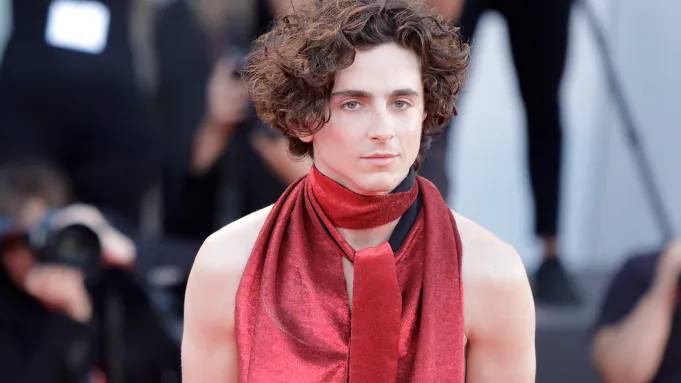
Fashion has played a major role in amplifying his global influence. Chalamet’s red carpet appearances often challenge conventional menswear norms, blending tailoring with experimental silhouettes and bold choices. These moments are widely shared online, turning fashion into a cultural statement rather than mere aesthetics.
His influence in fashion mirrors the broader way youth-driven movements shape global taste, similar to how music and street culture trends spread internationally, as seen in how Afrobeats became popular around the world. In both cases, youth-led authenticity drives cultural relevance.
Chalamet also resonates because he appears accessible and grounded despite global fame. His interviews often reflect humility, self-awareness, and a reluctance to present himself as a finished product. This openness allows audiences to project their own experiences onto him, reinforcing his role as a generational symbol rather than a distant celebrity.
Fashion, Masculinity, and Youth Identity
One of the most significant aspects of Timothée Chalamet’s global influence is how he has reshaped conversations around masculinity in popular culture. At a time when younger generations are re-evaluating gender norms, Chalamet has become an example of how softness, creativity, and emotional depth can coexist with confidence and influence.
His fashion choices often blur traditional gender boundaries without being overtly performative. Instead, they reflect personal expression, signaling to young audiences that identity does not need rigid categorization. This has contributed to broader conversations about inclusivity, representation, and freedom of self-definition.
Chalamet’s style influence extends beyond luxury fashion circles. His looks are frequently discussed in online communities, youth forums, and social media spaces where identity exploration is central. This grassroots engagement transforms fashion moments into cultural dialogue.
In this sense, Chalamet functions similarly to other global cultural figures who influence identity beyond their primary field, a phenomenon explored in why Afrobeats is quietly taking over youth culture worldwide, where cultural symbols become vehicles for broader expression.
Controversies, Criticism, or Public Debates
Timothée Chalamet has largely avoided major controversy, but his rapid rise has not been without public debate. Some critics question whether his image reflects substance or simply a generational projection. Others debate the sustainability of his influence in an industry known for rapid cycles of attention.
Additionally, his fashion choices and approach to masculinity have sparked discussion among traditional media commentators. While some praise his boundary-pushing style, others frame it as unconventional or disruptive to established norms.
Chalamet has rarely engaged directly with criticism, choosing instead to let his work and public presence speak for itself. This restraint has contributed to his perception as a thoughtful and self-aware figure, reinforcing trust among audiences who value authenticity over performative responses.
Legacy and Why Timothée Chalamet Matters Today (2026 Perspective)
As of 2026, Timothée Chalamet’s significance lies in how he reflects a broader cultural transformation. He is not just a successful actor, but a symbol of how global youth culture is redefining identity, influence, and self-expression.
His legacy is still unfolding, but its foundation is clear. Chalamet represents a generation that values emotional intelligence, creative risk-taking, and cultural openness. He has shown that global influence does not require loud branding or controversy, but can be built through consistency, intention, and authenticity.
In a media landscape shaped by algorithms and instant visibility, Chalamet’s measured approach stands out. He demonstrates that restraint and depth can coexist with global relevance, offering an alternative blueprint for modern influence.
Frequently Asked Questions
Who is Timothée Chalamet?
Timothée Chalamet is an American actor and global cultural figure known for his film breakout and influence on youth identity, fashion, and modern masculinity.
What is Timothée Chalamet known for?
He is known for redefining the image of leading men in modern cinema, influencing fashion trends, and resonating with global youth culture through authenticity and vulnerability.
Why is Timothée Chalamet important?
Timothée Chalamet is important because he represents a cultural shift toward emotional openness, creative individuality, and non-traditional expressions of masculinity.
What impact has Timothée Chalamet had on global culture?
His impact includes reshaping fashion norms, influencing youth identity conversations, and serving as a symbol of generational change in global media and culture.
Timothée Chalamet’s biography is not simply the story of a film breakout figure. It is the story of a cultural moment shaped by shifting values, youth identity, and global connectivity. From his multicultural upbringing to his rise as a symbol of modern masculinity and creative freedom, Chalamet represents how influence works in the 21st century.
His global impact lies in what he makes possible, new ways of being seen, new ways of expressing identity, and new standards for cultural relevance. As global culture continues to evolve, Timothée Chalamet remains a key figure in understanding how youth influence, authenticity, and creativity shape the world today.
