

A cultural movement goes global when it resonates emotionally across borders, adapts without losing identity, and travels through people rather than platforms.
Culture has always traveled. Ideas, sounds, styles, and beliefs have crossed borders for centuries through trade, migration, and shared memory. What has changed is not whether culture moves, but how quickly, how widely, and how deeply it now embeds itself across the world.
Some cultural movements remain local, rooted tightly in place and context. Others suddenly feel everywhere—appearing in music charts, fashion cycles, online language, and youth identity across continents. Understanding what makes a cultural movement go global requires looking beyond virality or marketing. It means examining how meaning, emotion, and participation align at the right moment.
Global Reach Is Not Accidental
A cultural movement does not go global simply because it becomes popular. Popularity can be brief. Global reach requires endurance. It requires a movement to resonate across different social realities while still feeling authentic to where it comes from.
What often distinguishes global cultural movements is recognition rather than novelty. People adopt them not because they are unfamiliar, but because something within them feels immediately understandable—emotionally, socially, or symbolically.
This helps explain why certain cultural waves appear to move faster today. As explored in why cultural trends go global faster than ever, speed alone does not create longevity. Movements endure when they arrive at moments of shared emotional readiness, when audiences are already searching for language, sound, or identity that reflects how they feel.
Technology Accelerates — It Does Not Create Meaning
The internet is often credited as the reason culture spreads globally today. While digital platforms undeniably accelerate circulation, they do not create resonance by themselves. Platforms distribute culture efficiently; they do not guarantee attachment.
Cultural expressions spread when people feel something first, then share it. This is why many movements gain traction organically before institutions or mainstream media acknowledge them. The mechanics behind this shift are outlined in how culture spreads across borders in the internet age, where participation, repetition, and emotional alignment matter more than promotion.
Technology lowers barriers, but meaning still does the work.
Participation Is the Real Engine
Cultural movements go global when people feel invited to participate rather than simply observe. Participation does not always mean creation; it can mean reinterpretation, adaptation, or identification.
Movements that travel well tend to be flexible rather than rigid. They allow people in different places to locate themselves within the culture without erasing its origin. Instead of remaining a fixed artifact, the movement becomes a shared language—one that can be spoken with different accents while remaining recognizable.
This participatory quality is what allows culture to cross borders organically. People do not feel like outsiders looking in; they feel like contributors shaping its meaning.
Local Specificity Is a Strength, Not a Barrier
One of the most persistent myths about global culture is that it requires dilution. In reality, cultural movements that go global are often deeply specific at their core.
Specificity creates texture. It signals lived experience, history, and intention. Audiences are more likely to trust something that feels grounded than something engineered for mass appeal.
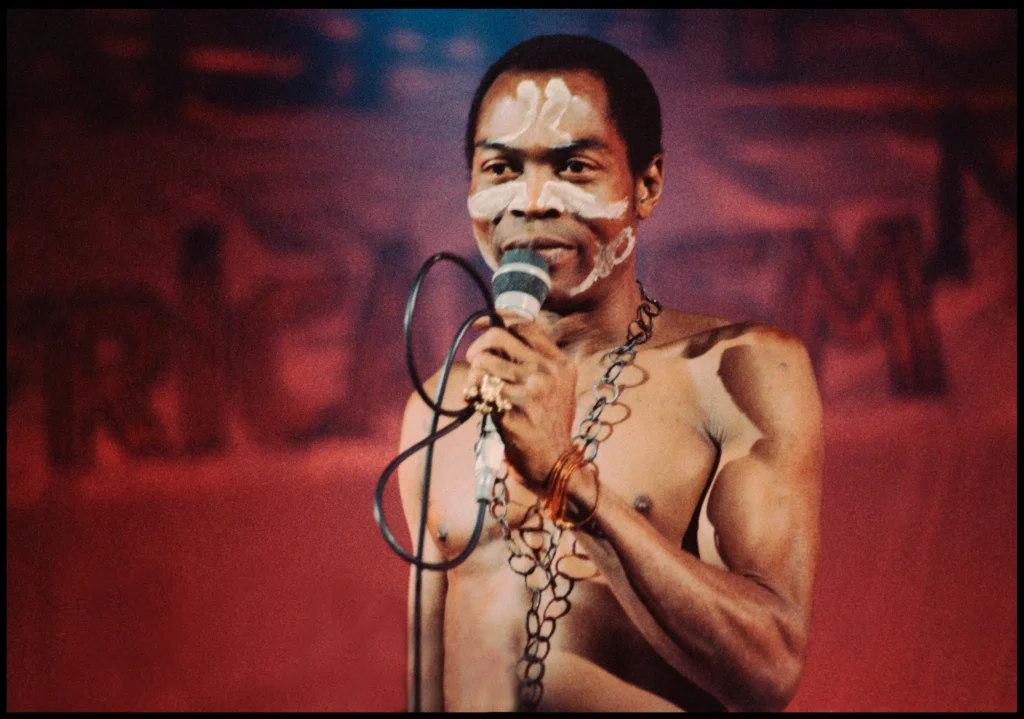
This dynamic is visible in the global influence of African music. Rather than softening its identity, African sound has reshaped global pop culture by insisting on rhythmic structures, languages, and emotional expressions rooted in local contexts. As explored in how African music is shaping global pop culture, rootedness has become a source of global credibility rather than a limitation.
Youth Culture Carries Movements Across Borders
Cultural movements rarely go global without youth involvement. Young people act as translators, early adopters, and amplifiers. Less bound by national identity and more connected through shared platforms, they move culture instinctively.
Youth culture prioritizes feeling over explanation. Movements that resonate emotionally—through sound, visual identity, or shared values—spread faster because they do not require intellectual framing. They are lived before they are analyzed.
This is why many global cultural movements emerge first in informal spaces: playlists, online communities, fashion cues, and everyday language. By the time institutions respond, the movement already belongs to its audience.
Emotion Travels Faster Than Explanation
At the core of every global cultural movement is emotion. People carry culture across borders because it articulates something they recognize but may not have words for—longing, pride, restlessness, confidence, uncertainty.
Emotion creates memory. Memory creates attachment. Attachment sustains movement.
Cultural expressions that prioritize emotional clarity over conceptual explanation tend to embed themselves into daily life rather than remaining symbolic gestures. They become part of how people understand themselves and each other.
Institutions Follow Culture They Rarely Lead It
Major institutions often appear to legitimize global cultural movements, but they rarely initiate them. More often, they formalize what communities have already embraced.
Understanding this helps explain why many movements feel fully formed before receiving official recognition. Culture crosses borders through shared experience long before it is validated by awards, charts, or media coverage.
Global culture today is shaped from the ground up, not the top down.
Global Culture Thrives on Translation, Not Replication
One overlooked factor in how cultural movements go global is translation. Not linguistic translation alone, but cultural translation—the ability for an idea to be understood in different social environments without losing its essence.
Successful cultural movements do not demand uniformity. Instead, they allow people to adapt symbols, sounds, and meanings to their own contexts. This flexibility is what makes culture durable. When a movement can be reinterpreted without being misunderstood, it travels further and lasts longer.
This explains why some trends explode quickly but fade just as fast. They replicate too rigidly. Others evolve as they move, picking up new layers of meaning in different regions while maintaining a recognizable core.
Diaspora Communities as Cultural Bridges
Diaspora communities play a crucial role in transforming local culture into global culture. Positioned between worlds, they act as natural bridges—introducing sounds, styles, and values to new audiences while maintaining ties to origin communities.
Diaspora participation often accelerates legitimacy. Cultural expressions that move through diaspora spaces tend to feel less foreign and more familiar to global audiences because they arrive already contextualized. They are not presented as novelties but as lived realities.
This dynamic has been especially visible in music, fashion, and digital storytelling, where diaspora creators blend heritage with contemporary global sensibilities. Their work becomes proof that culture does not lose power when it moves—it often gains dimension.
Narrative Matters More Than Virality
Virality can introduce culture, but narrative sustains it. Cultural movements that go global tend to carry stories—about identity, resistance, joy, survival, or aspiration. These narratives give audiences something to connect with beyond surface aesthetics.
When people understand why a movement exists, not just what it looks or sounds like, they invest emotionally. Narrative transforms consumption into participation. It allows people to see themselves reflected within the movement, even if their lived experiences differ.
This is why storytelling—through interviews, visuals, lyrics, or symbolism—often becomes central to cultural longevity. Movements that articulate their own meaning are less likely to be misinterpreted or reduced to trends.
Global Does Not Mean Universal
A cultural movement does not need to appeal to everyone to go global. In fact, movements that try to be universally appealing often lose clarity. Global reach comes from depth, not breadth.
Movements succeed internationally when they speak powerfully to specific emotions or experiences that many people recognize, even if they express them differently. This selective resonance creates strong communities rather than shallow mass appeal.
Global culture today is built from overlapping niches rather than singular mainstreams. Movements thrive when they accept that not everyone is their audience—and focus instead on serving those who truly connect.
Why Cultural Movements Feel Faster Today
What feels like acceleration is often visibility, not speed. Cultural movements have always taken time to develop. What has changed is how quickly we can witness their spread.
Digital platforms compress distance. What once took years to cross borders can now happen in weeks. But beneath that visibility lies the same foundational process: community adoption, emotional alignment, and shared meaning.
Understanding this prevents mistaking immediacy for impact. Not every visible movement is influential. The ones that last are those quietly embedding themselves into daily life, shaping how people dress, speak, listen, and imagine.
Culture Moves With People
Cultural movements go global when people choose to carry them—not because they are told to, but because the movement expresses something they recognize as true.
Technology opens doors, youth culture accelerates momentum, and platforms amplify reach. But meaning remains the passport. Movements that respect their origins while allowing interpretation are the ones that cross borders intact.
Global culture is not a product of sameness or scale. It is the result of shared emotion, adaptable identity, and stories that survive translation. The movements that endure are those that understand one truth clearly: culture does not travel alone—people take it with them.
