

Dance has always been part of culture, but in the internet age, it often moves faster than the music that inspires it. A song may take months to chart globally, but a dance attached to it can cross continents in days. From TikTok challenges to street routines replicated worldwide, dance has become one of the quickest ways culture travels.
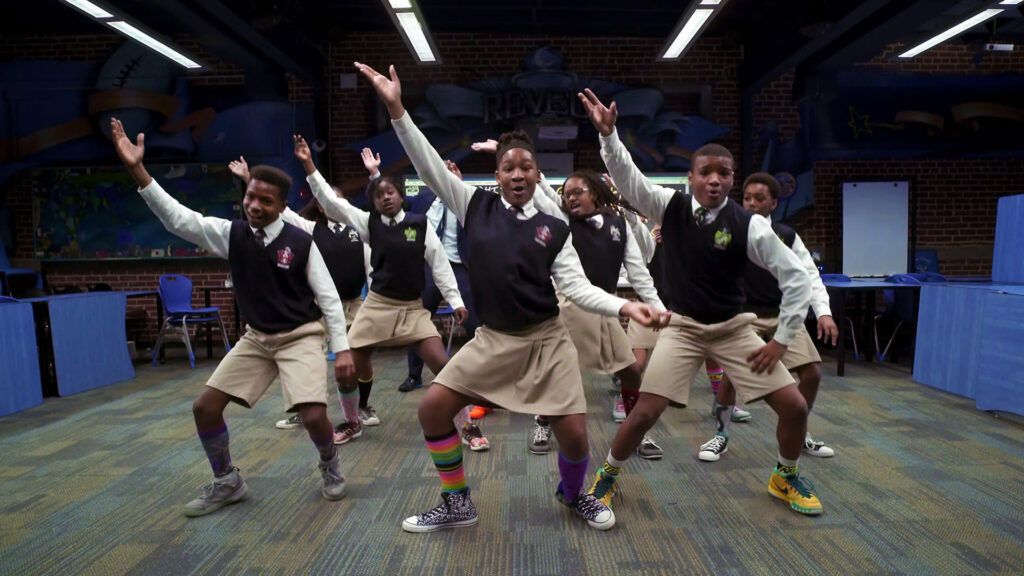
This speed is not accidental. Dance operates differently from music as a cultural signal. It is visual, bodily, and immediately legible, even when language or context is unfamiliar. In a global digital environment shaped by short attention spans and visual storytelling, movement often arrives before sound fully settles.
Understanding why dance trends travel faster than music reveals how culture circulates today—and why movement has become one of the most powerful engines of global influence.
Movement Is Universal Before Sound Is Understood
Music often requires interpretation. Lyrics carry language, metaphors, and cultural references that take time to translate emotionally. Dance, by contrast, communicates instantly through the body.
A movement can be recognized, mimicked, and shared without explanation. Even when viewers do not understand the music’s language or origin, the dance communicates rhythm, energy, and mood. This universality allows dance trends to bypass many of the barriers that slow musical adoption.
In this sense, dance acts as an entry point. It invites participation before comprehension. People learn the movement first, then seek out the song later. This reversal explains why many global hits today feel visually familiar before they feel sonically understood.
This dynamic mirrors patterns explored in why cultural trends go global faster than ever, where emotional recognition often precedes cultural explanation.
Dance Thrives in a Visual Internet
The modern internet favors what can be seen quickly. Platforms like TikTok, Instagram Reels, and YouTube Shorts are built around movement, gesture, and repetition. Dance fits these formats perfectly.
A dance routine:
-
Requires no translation
-
Works without sound in autoplay feeds
-
Encourages imitation rather than consumption
Music, on its own, often requires time and attention. Dance compresses that experience into seconds. It becomes loopable, remixable, and endlessly reproducible—exactly the qualities digital platforms reward.
Because of this, dance trends often circulate independently of their musical origins. A song might remain regionally popular, while its dance becomes global. The movement becomes the message.
This visual-first circulation reflects the mechanisms described in how culture spreads across borders in the internet age, where participation matters more than geography.
Dance Is Participatory, Not Passive
Another reason dance travels faster than music is participation. Music is often listened to. Dance is performed.
When people learn a dance, they do not just consume culture—they embody it. This embodiment creates a stronger emotional connection and a stronger incentive to share. Posting a dance is a form of cultural expression, not just appreciation.
Dance challenges thrive because they invite contribution. Each participant adds their body, personality, and context to the movement. This transforms a trend into a collective act, multiplying its reach far beyond what a song alone might achieve.
In many cases, the dance becomes a form of social currency. Knowing the movement signals awareness, relevance, and belonging. Music can signal taste; dance signals participation.
African Dance and the Global Movement Economy
African dance styles illustrate this dynamic clearly. Long before Afrobeats achieved widespread global recognition, African dance movements were already traveling—shared through videos, street performances, and online challenges.
The fluidity, rhythm, and expressive freedom of African dance make it especially adaptable. These movements translate easily across cultures because they emphasize feeling over formality. Viewers do not need to understand their origins to connect with their energy.
As Afrobeats grew globally, dance acted as its accelerant. The music followed the movement. This relationship between sound and motion is central to how African music is shaping global pop culture, where movement often introduces sound before institutions do.
Dance did not wait for industry validation. It moved ahead, carrying the culture with it.
Algorithms Reward Motion More Than Meaning
There is also a technical reason dance travels faster: algorithms favor motion.
Short-form video systems prioritize content that captures attention immediately, encourages repeat viewing, and generates imitation. Dance satisfies all three conditions. A moving body holds attention more reliably than static imagery or audio alone, while repetition fuels visibility.
Music benefits indirectly from this system, but dance benefits directly. The algorithm does not need to understand a dance to amplify it—it only needs to detect engagement.
This creates a feedback loop where dance trends gain visibility faster than songs, even when both originate from the same cultural source.
Dance Prepares Audiences for Music
Interestingly, the speed of dance does not diminish music’s importance—it often enhances it. Dance primes audiences emotionally before they engage deeply with sound.
When people encounter a song after seeing its dance repeatedly, the music feels familiar. This familiarity lowers resistance and accelerates acceptance. The listener is not starting from zero; they already associate the sound with movement, mood, and community.
In this way, dance becomes a bridge—one that introduces global audiences to music without demanding immediate understanding.
Dance as Cultural Memory in Motion
Dance trends also travel fast because they carry memory. A movement can be archived, replayed, and reinterpreted endlessly. Even as music trends shift, dance routines often persist as reference points.
This persistence gives dance a longer afterlife. A viral routine can resurface months or years later, attached to new sounds or new cultural moments. Music may age, but movement adapts.
Dance becomes a living archive—stored not only online, but in bodies across the world.
When the Dance Becomes the Song’s Passport
One of the clearest demonstrations of how dance travels faster than music is the growing number of songs that reached global consciousness first through movement, not sound. In these cases, dance did not merely accompany the music—it became its passport.
Rema’s Calm Down offers a telling example. Before the song became a global chart fixture, its accompanying dance circulated widely on social platforms. The movements were understated, relaxed, and emotionally aligned with the song’s restrained confidence. This simplicity made the dance accessible. Viewers did not need technical skill to participate; they needed only timing and feeling. By the time the song reached peak global recognition, audiences already “knew” it through their bodies.
Similarly, CKay’s Love Nwantiti traveled the world as a dance before it became a streaming phenomenon. The song’s emotional tone—melancholic yet intimate—translated into choreography that emphasized closeness and vulnerability. Couples, friends, and solo performers adapted the movement across cultures, often without understanding the Igbo lyrics. The dance communicated affection more clearly than translation ever could. In this case, the movement carried emotional meaning faster than the music could explain it.
Dance also accelerates songs that might otherwise remain regionally grounded. Fireboy DML’s Peru circulated globally through short-form dance videos long before its international remix expanded its reach. The choreography emphasized rhythm and flow rather than narrative, allowing the song to enter global feeds as a feeling rather than a story. The dance lowered the barrier to entry, making the sound familiar even to listeners encountering Afrobeats for the first time.
What these examples reveal is not coincidence, but structure. Dance removes the need for cultural literacy at the point of entry. It allows audiences to participate first and understand later.
Why Simple Choreography Travels Further
Not all dances go viral. The ones that travel fastest often share key traits: simplicity, repeatability, and emotional alignment with the music.
Complex choreography may impress, but it slows participation. Viral dance trends tend to rely on gestures rather than full routines—shoulder movements, hand signals, foot patterns that can be learned in seconds. These gestures act as cultural shorthand. They allow millions of bodies to replicate the movement with slight variations, preserving individuality while maintaining recognizability.
This is why songs with subtle grooves often outperform louder, more complex tracks in dance circulation. The body needs space to interpret rhythm. When music leaves room, movement fills it.
In many Afrobeats tracks, rhythm is not overcrowded. This openness invites physical response. The dance becomes less about performance and more about conversation between sound and body. That conversation is what travels.
Dance as the First Point of Cultural Contact
For global audiences unfamiliar with the cultural origins of a song, dance often serves as the first point of contact. Before listeners know the artist, the genre, or the language, they encounter a movement that feels approachable.
This is particularly significant in youth culture. Young audiences increasingly encounter music through visuals rather than audio-first platforms. A dance video may be the first—and sometimes only—exposure to a song. In these moments, movement does the work of introduction.
Only later do listeners seek the full track, the artist’s catalog, or the cultural context behind it. Dance does not replace music; it opens the door.
Movement as a Measure of Cultural Longevity
Finally, dance influences not just speed, but longevity. Songs attached to enduring dance trends often outlive their initial chart cycles. Even when the music fades from radio rotation, the dance persists in archives, tutorials, and reinterpretations.
This endurance turns dance into cultural memory. A movement can resurface years later, reattached to nostalgia or rediscovered by a new generation. Music may mark a moment, but dance extends it.
In this way, dance does more than travel faster than music—it carries music forward in time.
Why Movement Leads the Future of Global Culture
Dance trends travel faster than music because they align with how culture moves today: visually, emotionally, and collectively. They cross borders without translation, thrive in digital environments, and invite participation rather than observation.
In a world saturated with sound, movement stands out. It speaks before words, before lyrics, before explanation. And in doing so, it opens pathways for music, identity, and culture to follow.
As global culture continues to evolve, dance will remain one of its fastest messengers—not because it replaces music, but because it carries it forward, one body at a time.
