

Who is Fireboy DML? Born Adedamola Adefolahan in Abeokuta, Ogun State, Nigeria, Fireboy is one of the most emotionally resonant voices in modern Afrobeats. Emerging in the late 2010s as part of Nigeria’s new-generation music wave, Fireboy represents a shift in how African pop music expresses love, vulnerability, and intimacy. His sound often described as romantic Afrobeats blends Afro-pop, R&B, soul, and soft guitar-driven melodies into songs that feel deeply personal while remaining globally accessible.
What makes Fireboy DML culturally significant is not just his vocal tone or songwriting ability, but what he symbolizes within Afrobeats’ evolution. At a time when the genre was widely associated with high-energy club records and bravado-filled lyrics, Fireboy arrived with songs centered on longing, heartbreak, devotion, and emotional honesty. His music challenged dominant narratives of masculinity in African pop, offering a softer, introspective alternative that resonated powerfully with young listeners across borders.
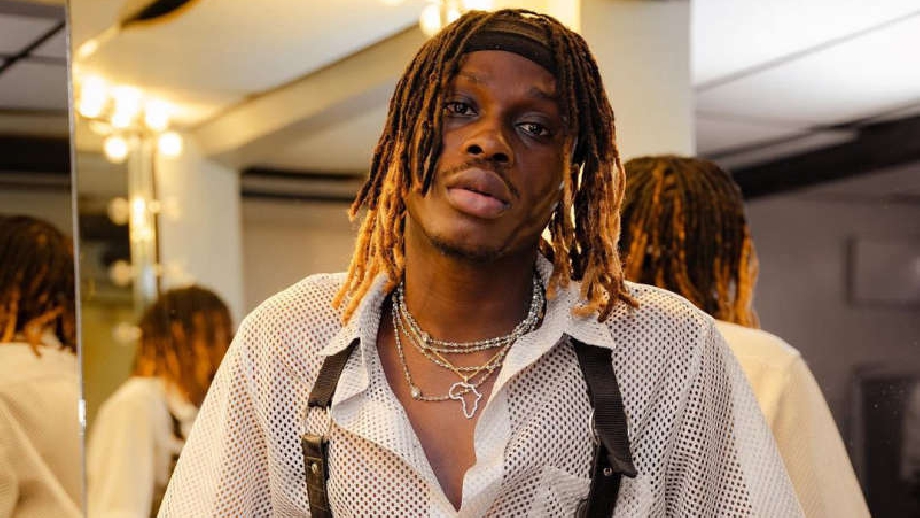
Fireboy’s global appeal lies in his emotional clarity. Whether listeners understand Yoruba expressions or Nigerian slang, the feelings embedded in his songs translate instantly. Love, vulnerability, jealousy, and hope are universal experiences, and Fireboy’s ability to express them with restraint and melodic elegance allows his music to move effortlessly between Lagos, London, New York, and beyond. His voice carries intimacy without fragility, confidence without aggression a balance that has become increasingly rare in mainstream pop.
Understanding who Fireboy DML is means recognizing him as more than a hitmaker. He is a cultural bridge between traditional African romantic storytelling and contemporary global pop sensibilities. His rise coincided with Afrobeats’ international breakthrough, and his success helped expand global perceptions of what African music could sound and feel like. In a genre often driven by rhythm, Fireboy made emotion the main event—and in doing so, he helped redefine Afrobeats’ emotional vocabulary for a new generation.
Early Life & Cultural Background
Fireboy DML was raised in Abeokuta, a city with deep historical and cultural roots in southwestern Nigeria. While not as globally visible as Lagos, Abeokuta’s quieter environment played a crucial role in shaping his introspective personality and musical sensitivity. Growing up away from the chaos of Nigeria’s entertainment capital allowed him space to reflect, write, and absorb music on a more emotional level.
His exposure to music began early, influenced by church melodies, Nigerian love songs, and international R&B. Artists like Wande Coal, Jon Bellion, and Ed Sheeran shaped his melodic instincts, while Nigerian pop traditions grounded his songwriting in African storytelling. Fireboy studied English at Obafemi Awolowo University, a background that sharpened his lyrical expression and narrative depth. His command of language—clear, poetic, and emotionally precise—became a defining feature of his music style.
Culturally, Fireboy emerged during a moment when Nigerian youth were renegotiating identity in a digital world. Young people were increasingly online, emotionally expressive, and globally aware, yet still rooted in local realities. Fireboy’s music captured this duality. His songs speak to Nigerian youth navigating love and ambition at home, while also resonating with diaspora listeners experiencing distance, nostalgia, and emotional displacement.
Street culture still influenced him, but not through bravado or excess. Instead, Fireboy reflected the quieter side of youth culture—the late-night introspection, the emotional texts, the unspoken longing. This positioning made him relatable to listeners who felt unseen by louder, more dominant musical personas. His background shaped him into an artist who communicates deeply felt emotions without spectacle, proving that subtlety could be powerful within Afrobeats.
What Genre Is Fireboy DML?
Understanding what genre Fireboy DML belongs to requires recognizing how he stretches Afrobeats beyond its traditional expectations.
Fireboy DML’s music style can be described as:
-
Primary genre: Afrobeats / Afro-pop
-
Sub-genres: Romantic Afrobeats, Afro-R&B, melodic pop
-
Cross-genre influences: Soul, acoustic pop, alternative R&B
-
How his sound fits into—or challenges—the genre:
-
Prioritizes melody and emotion over high-energy rhythms
-
Focuses on love, heartbreak, vulnerability, and devotion
-
Uses minimalistic production to amplify emotional delivery
-
Challenges hyper-masculine narratives common in pop music
-
Unlike many Afrobeats artists who center celebration and nightlife, Fireboy positions emotion as the core of his sound. Songs like “Jealous,” “Tattoo,” and “Peru” are built around feeling rather than spectacle. This approach expanded Afrobeats’ emotional range, proving the genre could thrive in quieter, more intimate spaces.
Fireboy’s sound aligns with global pop trends while maintaining African rhythmic sensibilities, making his music accessible without sacrificing identity. His genre-fluid approach reflects the modern listener—one who values emotional connection as much as rhythm.
Breakout Moment
Fireboy DML’s breakout moment arrived with the release of “Jealous” in 2019, a song that quickly became a cultural anthem among Nigerian youth. Unlike traditional breakout hits fueled by club rotations, “Jealous” spread through emotional resonance. Young listeners shared it on social media, used it as background music for relationship posts, and quoted its lyrics as emotional shorthand.
The internet played a decisive role. Streaming platforms, Twitter conversations, and fan-driven playlists pushed the song beyond Nigeria, introducing Fireboy to a global audience seeking emotionally driven Afrobeats. His debut album Laughter, Tears & Goosebumps further solidified his identity as an artist unafraid of vulnerability.
Culturally, Fireboy’s breakout represented a shift. It showed that Afrobeats didn’t need to be loud to travel. Emotion itself became a viral mechanism. His success aligned with the period when Afrobeats became popular around the world, and Fireboy emerged as proof that softer African sounds could hold global attention.
His later hit “Peru”, especially after the remix featuring Ed Sheeran, confirmed his international staying power. But even then, the song’s appeal wasn’t rooted in hype—it was rooted in melody, warmth, and emotional openness.
Why Fireboy DML Matters to Youth Culture
Fireboy DML matters to youth culture because he gives emotional permission. In a world where young men are often pressured to suppress vulnerability, his music normalizes emotional honesty. He sings openly about longing, insecurity, devotion, and emotional confusion—experiences deeply familiar to Gen-Z and millennial listeners.
His impact on youth culture includes:
-
Redefining masculinity: Showing that softness and sensitivity can coexist with confidence
-
Emotional relatability: Lyrics that mirror real-life relationship dynamics
-
Digital intimacy: Songs that thrive on headphones, late nights, and personal reflection
-
Fashion & aesthetics: Clean, understated style that mirrors emotional restraint
-
Cultural representation: Offering African youth a different emotional archetype
Fireboy’s appeal extends beyond Nigeria because youth culture globally is increasingly emotional, reflective, and expressive. His success helps explain why Afrobeats is quietly taking over youth culture worldwide—the genre now speaks to feelings, not just movement.
Like Omah Lay, Fireboy represents Afrobeats’ emotional turn. Together, they reflect a generation redefining African pop as a space for introspection, not just celebration.
Global Impact (or Why the World Is Paying Attention)
Fireboy DML’s global reach is built on emotional universality. Love, longing, and vulnerability require no translation, making his music accessible to listeners across cultures. Streaming platforms accelerated this reach, while diaspora communities amplified his presence through playlists, social media, and cultural events.
His collaboration with Ed Sheeran on “Peru” symbolized a meeting point between Afrobeats and global pop—not as novelty, but as equals. Fireboy didn’t dilute his sound to cross borders; instead, the world adapted to his emotional language.
International audiences gravitate toward Fireboy because his music offers intimacy in an increasingly overstimulated digital landscape. In a genre often associated with energy, his restraint feels refreshing. His success highlights how emotional authenticity travels faster than hype.
Romantic Afrobeats as Cultural Resistance
Fireboy DML’s embrace of romance and vulnerability can also be read as a subtle form of cultural resistance. In many popular music spaces—especially within global pop and hip-hop—emotional expression by male artists is often filtered through dominance, excess, or emotional detachment. Fireboy’s work challenges this pattern by centering tenderness, emotional clarity, and introspection without apology.
Within the Nigerian context, this approach carries particular weight. Traditional expectations around masculinity often discourage emotional openness, especially for young men. By publicly embracing softness, Fireboy creates space for alternative expressions of male identity—ones rooted in emotional intelligence rather than performance. His lyrics don’t position vulnerability as weakness; instead, they frame it as honesty, self-awareness, and emotional courage.
This cultural shift aligns with broader changes in global youth culture. Young audiences today are more comfortable discussing mental health, emotional boundaries, and relational complexity. Fireboy’s music fits naturally into this conversation, offering African perspectives within a global emotional language. His songs become safe spaces—soundtracks for reflection, healing, and emotional processing.
Romantic Afrobeats, as Fireboy practices it, also resists the pressure to constantly “perform energy.” In an era dominated by algorithm-driven virality and attention economies, his slower, mood-driven records invite listeners to pause rather than scroll. This intentional pacing makes his music feel intimate and timeless, rather than disposable.
By foregrounding emotion over spectacle, Fireboy subtly expands the cultural definition of Afrobeats. He proves that African music does not need to conform to external expectations of intensity or exoticism to succeed globally. Instead, authenticity itself becomes the export.
In this way, Fireboy DML is not only shaping sound but redefining presence—showing that African artists can lead global conversations around emotion, softness, and human connection on their own terms.
Cultural Legacy or Future Outlook
Fireboy DML is already shaping Afrobeats’ future by expanding its emotional scope. His legacy lies in proving that African pop can be gentle, romantic, and introspective without losing cultural relevance.
Looking ahead, his influence may manifest in:
-
More emotionally expressive male artists
-
Increased genre-blending within Afrobeats
-
Deeper global collaborations rooted in mood rather than trend
-
A continued shift toward emotional storytelling in African pop
Fireboy is part of a larger movement redefining African music as emotionally complex and globally fluent. His career suggests that the future of Afrobeats isn’t just louder—it’s deeper.
Fireboy DML is not just a singer of love songs; he is a cultural figure redefining how Afrobeats communicates emotion. Understanding who Fireboy DML is means recognizing his role in expanding the genre’s emotional vocabulary and global reach.
Through romantic Afrobeats and emotional honesty, he offers a soundtrack for modern youth navigating love, identity, and vulnerability in a connected world. His music reminds listeners that African pop doesn’t need to shout to be heard—it only needs to feel true.
Fireboy DML stands as proof that softness can be revolutionary, and that emotion remains one of the most powerful cultural forces in global music today.
