

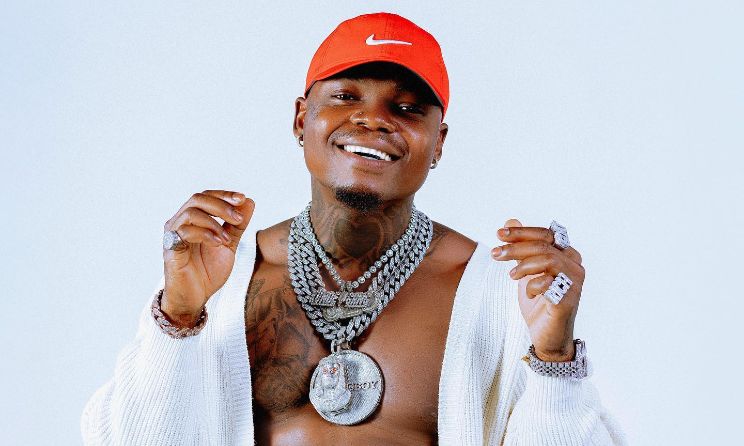
Who is Harmonize? Harmonize is a Tanzanian singer, songwriter, and cultural figure whose career reflects one of East Africa’s most important modern music stories, how a local sound grows into continental influence. Born Rajab Abdul Kahali in Mtwara, Tanzania, Harmonize emerged from the Bongo Flava scene with a voice shaped by Swahili lyricism, street emotion, and melodic instinct. His music sits at the intersection of Bongo Flava, Afropop, and pan-African collaboration, positioning him as one of the region’s most recognizable crossover artists.
Culturally, Harmonize matters because he represents transition. He is part of the generation that took Tanzanian pop from national popularity to cross-border relevance. His journey shows how African artists now build influence through mobility, collaboration, and digital circulation rather than geographic limitation. Harmonize is not simply a hitmaker. He is a case study in how African music careers evolve in the modern era.
Early Life and the Coastal Tanzanian Soundscape
Harmonize grew up in Mtwara, a coastal region of southern Tanzania far from the commercial spotlight of Dar es Salaam. This background shaped both his perspective and sound. Coastal Tanzanian music traditions emphasize melody, rhythm, and storytelling, elements that would later define his songwriting.
Before mainstream success, Harmonize was immersed in local performance culture, where music is tied to community identity rather than commercial ambition. This grounding gave him an instinctive understanding of audience connection. His early exposure to Swahili oral expression, love narratives, and street-level emotion became the foundation of his lyrical voice.
When he relocated to Dar es Salaam, he entered a competitive creative environment shaped by Bongo Flava’s evolution. The city was already producing stars, but it also demanded adaptability. Harmonize’s ability to merge his coastal sensibility with urban polish allowed him to stand out in a crowded scene.
What Genre Is Harmonize?
Harmonize’s music is best understood as genre-fluid but culturally anchored.
-
Primary genre: Bongo Flava
-
Sub-genres: Afropop, Afro-fusion
-
Cross-genre influences: Afrobeats, dancehall, East African pop rhythms
-
Defining sound: Melodic vocals, emotionally driven lyrics, accessible rhythms
Rather than reinventing Bongo Flava, Harmonize expands it. His music keeps Swahili at the center while incorporating sonic elements that travel easily across African markets. This balance allows his work to feel authentic locally and approachable internationally.
His sound reflects the same continental blending discussed in how Afrobeats became popular around the world, where regional genres succeed globally by retaining identity while embracing adaptability.
Breakout Moment and Industry Alignment
Harmonize’s breakthrough came through his association with WCB Wasafi, the powerhouse label led by Diamond Platnumz. Under this platform, he gained access to professional production, visual storytelling, and a regional audience already primed for Tanzanian pop exports.
Songs like “Aiyola” and “Uno” established Harmonize as a rising star, but more importantly, they positioned him as an artist capable of emotional resonance rather than just club appeal. His success during this period was not accidental. It was the result of strategic alignment, consistent releases, and a clear understanding of audience connection.
This phase of his career reflects broader patterns outlined in what makes a cultural movement go global. Infrastructure, timing, and identity alignment matter as much as talent.
Leaving Comfort and Building Independence
One of the most defining moments in Harmonize’s career was his decision to leave WCB Wasafi and establish his own label, Konde Gang Music Worldwide. This move marked a shift from industry-supported success to self-directed influence.
The decision carried risk. Leaving an established system meant taking responsibility for creative direction, business management, and brand sustainability. However, it also allowed Harmonize to redefine himself beyond mentorship narratives. He transitioned from protégé to architect.
This step mirrors a broader trend in African music, where artists seek ownership and long-term influence rather than short-term visibility. Harmonize’s independence reinforced his credibility and expanded his cultural relevance.
Youth Culture and Street-Level Connection
Harmonize’s appeal among young audiences is rooted in relatability. His lyrics frequently explore love, ambition, vulnerability, and perseverance, themes that resonate with listeners navigating similar realities. He does not position himself as untouchable. Instead, he maintains a grounded persona that reflects lived experience.
Fashion, language, and social media engagement further strengthen this connection. Harmonize’s public image blends aspiration with familiarity, allowing fans to see both success and struggle reflected in his journey. This balance is crucial in youth culture, where authenticity often matters more than polish.
His influence aligns with the dynamics explored in why Afrobeats is quietly taking over youth culture worldwide, where emotional accessibility and cultural representation drive long-term relevance.
Continental Collaborations and Cross-Border Reach
Harmonize’s continental influence is most visible through collaboration. He has worked with artists from Nigeria, Kenya, South Africa, and beyond, positioning himself as a connector within African pop. These collaborations are not cosmetic. They reflect genuine musical exchange and strategic cultural bridging.
By adapting his sound without erasing his identity, Harmonize demonstrates how African artists expand reach organically. His collaborations introduce Bongo Flava to new audiences while integrating Afrobeats and other regional sounds into his work.
This cross-border fluidity reflects how African music is shaping global pop culture, where influence flows laterally across the continent rather than only outward to Western markets.
Visual Identity and Digital Strategy
Harmonize understands the power of visuals in modern music culture. His videos emphasize clarity, fashion, and narrative simplicity, ensuring accessibility across cultures. Visuals are not treated as decoration but as cultural amplifiers.
Digital platforms play a central role in his strategy. YouTube, streaming services, and social media allow his music to circulate beyond traditional media channels. This approach reflects how the internet is changing global culture, where visibility is driven by shareability and emotional resonance rather than gatekeeping.
Masculinity, Emotion, and Representation
One of Harmonize’s understated contributions lies in his portrayal of masculinity. His music allows space for vulnerability, heartbreak, and emotional honesty. This representation resonates deeply with young men who see themselves reflected in his stories.
Rather than performing toughness, Harmonize often emphasizes sincerity. This approach broadens the emotional range of Bongo Flava and aligns with evolving cultural attitudes around male expression in African youth culture.
Language, Swahili Identity, and Cultural Preservation
One of Harmonize’s most important contributions to African pop culture is his commitment to Swahili as a vehicle for global expression. At a time when many African artists shift toward English to appeal to international audiences, Harmonize consistently centers Swahili in his songwriting. This decision is not limiting. Instead, it reinforces cultural confidence.
Swahili carries rhythm, emotion, and storytelling traditions that translate beyond literal meaning. Harmonize understands that music does not require full linguistic comprehension to resonate. Tone, melody, and delivery often communicate feeling more powerfully than words alone. By prioritizing Swahili, he ensures that Tanzanian identity remains visible within continental pop conversations.
This approach strengthens cultural preservation while still allowing expansion. Harmonize proves that African languages can travel globally without dilution. His success challenges the assumption that global reach requires cultural compromise, reinforcing the idea that authenticity can be an advantage rather than a barrier.
Performance Energy and Audience Connection
Harmonize’s influence is also evident in live performance. His shows are built around energy exchange rather than spectacle alone. Crowd engagement, call-and-response moments, and emotional pacing define his stage presence. These performances reinforce his connection to fans and extend his cultural reach beyond recordings.
Live shows play a critical role in African music ecosystems, especially in regions where communal experience remains central to cultural life. Harmonize’s ability to command stages across East and Central Africa demonstrates how performance remains a powerful tool for building loyalty and identity.
This connection strengthens his relevance among youth audiences who value artists that feel accessible rather than distant. His performances are not about perfection, but presence. That presence translates into trust, and trust sustains influence.
Entrepreneurship and Cultural Control
Beyond music, Harmonize’s entrepreneurial mindset reflects a growing shift among African artists. Through Konde Gang Music Worldwide, he positions himself not only as a performer but as a cultural organizer. The label becomes a platform for nurturing talent, shaping narratives, and maintaining creative control.
This move reflects a broader awareness among artists about ownership and longevity. Rather than depending solely on external structures, Harmonize invests in building systems that outlive individual releases. This strategy mirrors the evolution of African music from informal networks into structured cultural industries.
By taking control of production, branding, and artist development, Harmonize contributes to a more sustainable creative ecosystem. His actions influence how younger artists think about success, encouraging long-term vision rather than short-term visibility.
The Meaning of Continental Influence
Harmonize’s continental influence is not defined by chart dominance alone. It is measured by recognition, adaptability, and cultural presence across borders. He is familiar in Kenya, Uganda, Rwanda, and parts of West Africa, not as a novelty but as a respected contributor to African pop.
This level of influence reflects a deeper shift in African music culture. Regional stars are no longer confined to national identity. They operate within a shared continental space shaped by collaboration, digital circulation, and youth-driven consumption.
Harmonize stands as an example of what it means to grow outward without losing center. His journey shows that African artists can expand influence while remaining rooted, building careers that reflect both local truth and continental ambition.
Cultural Challenges and Public Scrutiny
Harmonize’s career has not been without controversy. Public relationships, label disputes, and industry criticism have occasionally overshadowed his music. However, these moments also reveal the pressures faced by African artists operating at scale.
Rather than derailing his career, these challenges have contributed to his narrative. They highlight the complexity of visibility and the resilience required to maintain influence in a fast-moving cultural landscape.
Legacy and Long-Term Influence
Harmonize’s legacy is still forming, but his impact is already visible. He helped push Bongo Flava into continental consciousness, demonstrated the viability of artist independence, and modeled cross-border collaboration as a growth strategy.
His career illustrates that African influence is no longer centralized in one region. East Africa, through figures like Harmonize, is now a recognized contributor to the continent’s musical direction.
A Career That Mirrors Africa’s Musical Shift
Harmonize represents a generation of African artists redefining success. His journey from local stages to continental recognition reflects broader changes in how music travels, how culture spreads, and how influence is built.
He is not just a product of Bongo Flava’s evolution. He is part of the force pushing it forward. Through independence, collaboration, and emotional clarity, Harmonize demonstrates that African music no longer needs permission to move globally. It simply moves, carried by artists who understand both where they come from and where they are going.
