

Who Is Shallipopi? Shallipopi is one of the most disruptive figures in modern Nigerian street-pop, not because of technical perfection or traditional industry backing, but because he represents how internet culture, street language, and youth identity now shape music success. Born Crown Uzama in Benin City, Edo State, Shallipopi emerged in the early 2020s as a viral force whose music felt less like a polished product and more like raw cultural expression. His rise is inseparable from social media, slang, memes, and the energy of Nigerian street youth.
To understand who Shallipopi is, you have to understand what street-pop has become in the digital era. Once rooted primarily in local neighborhoods and underground scenes, street-pop is now amplified by TikTok, Instagram, and Twitter, where personality, authenticity, and cultural relevance often matter more than traditional musical structure. Shallipopi thrives in this environment. His music sounds like the streets talking back to the internet, confident, playful, chaotic, and self-aware.
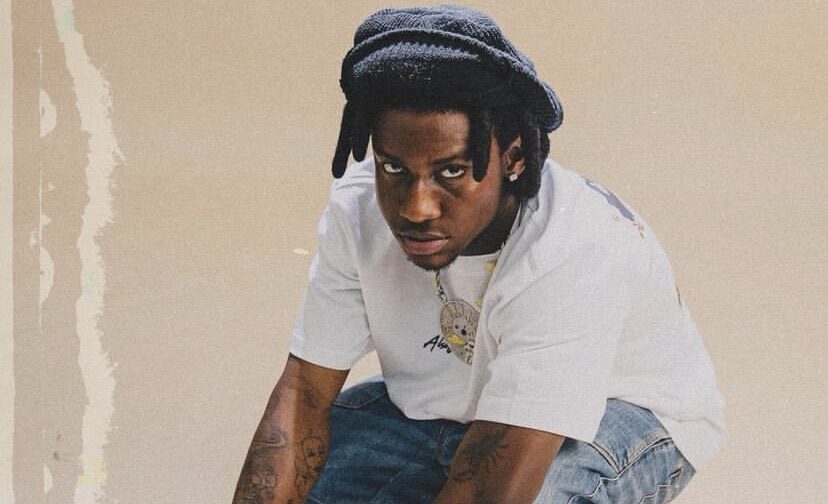
What separates Shallipopi from earlier street-pop figures is how openly he leans into internet language and visual culture. His lyrics are filled with slang, inside jokes, and coded references that make sense to Nigerian youth first, and then spread outward globally. His music is not designed to explain itself. Instead, it invites listeners to step into a cultural moment and either catch the wave or miss it.
Shallipopi matters because he reflects a new phase of Afrobeats and street-pop where virality is not accidental, it is cultural currency. His rise challenges old ideas about how stars are made and what musical legitimacy looks like. In a time when young audiences want artists who feel real, unserious, and emotionally connected to everyday life, Shallipopi’s presence feels inevitable.
He is not just a rapper or singer. He is a symbol of how Nigerian youth culture now travels, loudly, digitally, and without permission.
Benin City, Street Identity, and Early Life
Shallipopi’s story begins in Benin City, a place that has increasingly become an unexpected hub for Nigeria’s new street-pop wave. Unlike Lagos, which often represents industry polish and global visibility, Benin City carries a rawer cultural energy. It is a space where street language, humor, and local codes thrive without needing validation from mainstream institutions.
Growing up in this environment shaped Shallipopi’s approach to music and self-presentation. His identity is closely tied to local slang, Benin street culture, and a strong sense of regional pride. Rather than smoothing out his accent or references to appeal to a wider audience, he amplified them. This decision became central to his appeal.
Like many Gen-Z Nigerians, Shallipopi came of age online. Social media was not just a promotional tool for him, it was part of his creative ecosystem. Memes, voice notes, short videos, and street jokes all fed into his artistic persona. His early content blurred the line between music and internet performance, making it difficult to separate the artist from the cultural moment he represented.
Importantly, Shallipopi did not enter music with a traditional industry narrative. There was no long buildup through formal showcases or label grooming. Instead, his rise followed the logic of internet culture, fast, chaotic, and driven by audience participation. Fans did not just listen to his music, they repeated his slang, copied his gestures, and shared his humor.
This background explains why his music feels immediate and unfiltered. Shallipopi does not sound like someone trying to fit into Afrobeats. He sounds like someone documenting his reality in real time.
What Genre Is Shallipopi?
Defining Shallipopi’s genre requires moving beyond rigid labels.
Shallipopi’s sound exists at the intersection of:
-
Nigerian street-pop
-
Afro-rap
-
Internet-driven Afrobeats
-
Meme culture and spoken-word delivery
His music is rhythm-focused but not always melody-driven. Beats are often minimal, repetitive, and designed to support chant-like flows. Lyrics prioritize slang, attitude, and cultural references over conventional storytelling. This makes his songs feel closer to street conversations than traditional pop records.
What sets him apart is how openly his music embraces unseriousness. There is humor, exaggeration, and deliberate absurdity in his delivery. This does not mean the music lacks intention. Instead, it reflects how young Nigerians communicate online, through irony, inside jokes, and layered meaning.
Shallipopi’s genre identity mirrors how street-pop itself has evolved. The genre no longer exists only in physical spaces like clubs or street corners. It now lives on timelines, comment sections, and remix culture. His sound is built for repeat use, short clips, and cultural recycling.
In this way, Shallipopi’s music functions less like traditional songs and more like cultural artifacts, meant to be quoted, shared, and reinterpreted.
Breakout Moment and Viral Acceleration
Shallipopi’s breakout did not hinge on a single radio hit. Instead, it came through a series of viral moments that stacked on top of each other. Songs like “Elon Musk” and “Ex Convict” gained traction because they felt impossible to ignore online. The lyrics were catchy, the slang was sticky, and the delivery felt effortless.
TikTok played a central role in this rise. His songs became soundtracks for skits, street videos, and lifestyle content. Importantly, these were not polished influencer clips. They were everyday videos made by young people who saw themselves reflected in his energy.
Twitter and Instagram amplified this further. Shallipopi’s persona became meme-friendly. Screenshots of lyrics, slang explanations, and reaction videos circulated widely. The internet did not just promote his music, it actively participated in shaping his image.
This kind of rise reflects a broader shift explained in how the internet is changing global culture. Cultural relevance today is often determined by how easily content can be remixed and shared, not by institutional approval. Shallipopi understood this instinctively.
His breakout also showed how Nigerian street-pop now bypasses traditional gatekeepers. Instead of waiting for industry validation, the culture validated him first, and the industry followed.
Street-Pop, Authenticity, and Youth Power
Shallipopi’s appeal lies in authenticity, not in the polished sense, but in cultural accuracy. His music sounds like how Nigerian youth actually talk, joke, and flex. This matters deeply in a generation that is highly sensitive to inauthentic branding.
For many young listeners, Shallipopi represents freedom from respectability politics. He does not try to appear refined or global-ready. Instead, he leans fully into his street identity. This confidence resonates with fans who feel that their own realities are often excluded from mainstream representation.
Street-pop has always been about expression from the margins, but Shallipopi’s version is louder and more digitally fluent. His success suggests that youth culture no longer wants to translate itself for outsiders. It wants to be seen as it is.
This places him in conversation with artists like Asake, who also draws heavily from street energy and local identity. While their sounds differ, both artists represent a refusal to dilute cultural expression for global acceptance.
Shallipopi’s rise also highlights how power has shifted toward young audiences. Fans now decide who matters through engagement, repetition, and cultural adoption. In this ecosystem, relatability can outweigh technical mastery.
Internet Fame vs Traditional Stardom
Shallipopi’s career raises important questions about what stardom means today. Unlike previous generations of Afrobeats stars, his fame did not come from long-term branding or international collaborations. It came from being culturally unavoidable online.
This kind of fame is volatile but powerful. Internet-driven success can rise quickly, but it also demands constant relevance. Shallipopi navigates this by staying active within the culture rather than trying to escape it. He embraces chaos, controversy, and humor as part of his brand.
Traditional stardom often values consistency and refinement. Internet fame values presence and adaptability. Shallipopi understands that disappearing from conversation can be more damaging than releasing imperfect work. His output feels spontaneous because it aligns with how online culture moves.
This reflects a larger pattern within Afrobeats and youth culture, where attention is currency and cultural participation matters as much as musical output.
Global Attention and Cultural Translation
While Shallipopi’s core audience is Nigerian youth, his influence has begun to stretch beyond national borders. Diaspora communities play a major role in this expansion. Nigerian youth abroad recognize his slang and energy, turning his music into a marker of cultural belonging.
International listeners may not fully understand every reference, but they understand the confidence and attitude. In many ways, Shallipopi’s music mirrors how hip-hop spread globally, through tone and identity rather than literal translation.
His rise aligns with why Afrobeats is quietly taking over youth culture worldwide. The genre’s global growth is not only about polished pop stars. It is also about raw, local voices that feel culturally alive.
Shallipopi proves that global appeal does not require cultural dilution. Sometimes, the more specific an artist is, the more intriguing they become internationally.
Criticism, Chaos, and Cultural Debate
With rapid success comes criticism. Some observers question Shallipopi’s longevity, lyrical depth, or musical range. Others argue that internet-driven fame encourages unserious artistry.
These critiques are not new. Every cultural shift faces resistance from older frameworks. What critics sometimes miss is that Shallipopi is not trying to fit into traditional expectations. His value lies in capturing a moment, not in conforming to established standards.
Street-pop has always been disruptive. It challenges ideas of polish, respectability, and permanence. Shallipopi’s chaos is part of his cultural function. He forces conversations about who gets to define quality and success in Nigerian music.
Whether his sound evolves or remains rooted in internet culture, his impact on the current generation is undeniable.
Future Outlook and Cultural Legacy
The future of Shallipopi’s career will depend on how he navigates growth without losing cultural relevance. Some street-pop artists evolve into mainstream figures, while others remain cult icons tied to specific eras.
Regardless of where his career goes, Shallipopi has already left a mark. He has expanded the definition of Afrobeats stardom and demonstrated that internet-native artists can shape national culture.
His legacy may not be measured only in awards or chart positions. It may be measured in how language, humor, and street identity entered mainstream music conversation.
Shallipopi is not just a viral artist. He is a reflection of how Nigerian youth culture now creates, shares, and celebrates itself. His rise illustrates the power of street-pop in the internet age and challenges traditional ideas of musical success.
Understanding who Shallipopi is means understanding a generation that values authenticity, humor, and cultural ownership. His music does not ask for permission. It arrives fully formed, loud, and unapologetic.
In a global music landscape increasingly shaped by youth and digital culture, Shallipopi stands as proof that the streets and the internet now decide who matters.
