

Who is Nandy? In the story of Bongo Flava, women have often had to fight twice as hard to be seen, first as artists and then as cultural leaders. Nandy’s rise represents a turning point in that narrative. She is not simply a successful female artist within Tanzanian pop. She is a symbol of how modern Bongo Flava is being reshaped by women who claim space with confidence, vocal presence, and cultural authority.
Nandy’s music sits at the intersection of strength and accessibility. She delivers songs that are emotionally resonant while remaining commercially powerful. Her presence challenges outdated expectations placed on female performers in East Africa, expectations that once limited women to supporting roles or narrowly defined archetypes.
What makes Nandy significant is not just her voice, but her positioning. She operates as a central figure in Bongo Flava’s evolution, standing alongside male counterparts as an equal contributor to the genre’s identity. Her career reflects broader changes in youth culture, where female agency, independence, and ambition are increasingly visible and celebrated.
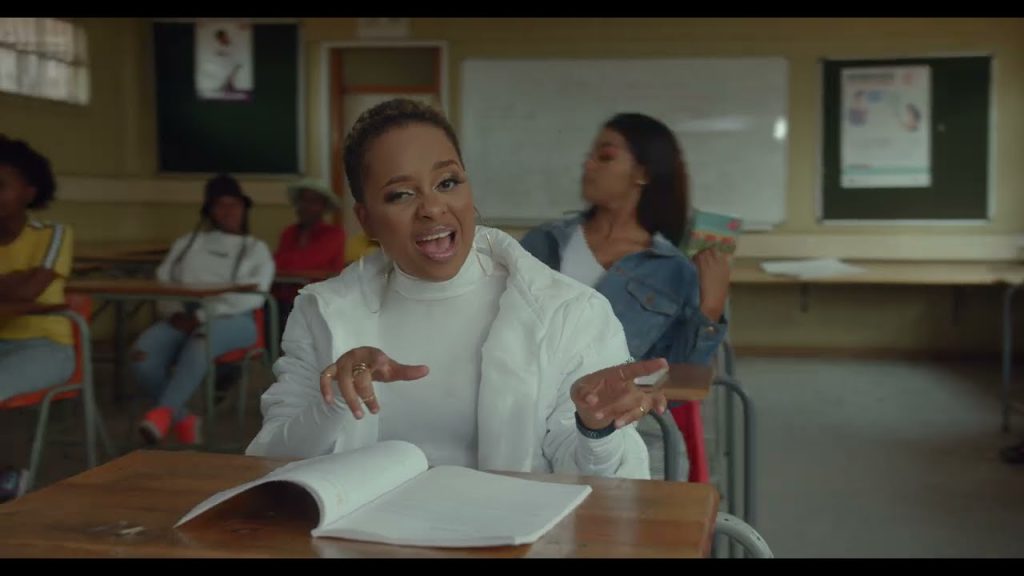
In a music industry shaped by both tradition and rapid digital change, Nandy has built a career rooted in self-definition. She presents femininity as strength, not compromise. Her songs speak to love, resilience, desire, and ambition without apology.
Understanding Nandy means understanding how gender, culture, and modern African pop intersect. Her journey reveals how Bongo Flava continues to expand, not just sonically, but socially.
Early Life and Musical Foundation
Born Faustina Charles Mfinanga, Nandy grew up in a musical environment shaped by church, community, and traditional Tanzanian sounds. Her early exposure to music emphasized discipline and vocal training, grounding her artistry in technical ability rather than image alone.
Before mainstream success, Nandy participated in local competitions and performances that sharpened her stage confidence. These early experiences taught her how to command attention, not through spectacle, but through vocal presence and emotional delivery.
This foundation set her apart. While many artists rely heavily on production trends, Nandy’s voice remains her core instrument. It allows her to adapt to evolving sounds without losing identity.
Breaking Into the Bongo Flava Mainstream
Nandy’s entry into mainstream Bongo Flava coincided with a period of stylistic diversification. The genre was expanding beyond its early structures, embracing pop melodies, romantic themes, and regional collaborations.
Her breakout moments demonstrated balance. She could deliver soft, melodic tracks while maintaining authority in her delivery. This versatility helped her appeal across demographics, from young listeners to older audiences.
Her rise also coincided with increased global curiosity about African pop. As explored in how Afrobeats became popular around the world, regional genres thrive internationally when artists maintain local authenticity while embracing modern production. Nandy fits this model within the East African context.
Female Power as Cultural Presence
Nandy’s significance lies in how she embodies female power without adopting extremes. She does not rely on provocation or imitation. Instead, her confidence is communicated through voice, posture, and lyrical clarity.
Her songs often center female perspective, desire, and self-worth. This representation matters in a scene historically dominated by male narratives. She reframes love not as submission, but as mutual respect and agency.
In doing so, Nandy becomes a reference point for young women navigating identity in modern Tanzania. Her success communicates possibility.
Sound, Style, and Emotional Range
Musically, Nandy operates within pop-oriented Bongo Flava, but her sound is layered. She blends melodic hooks with rhythmic structures that remain rooted in Tanzanian sensibilities.
Her vocal tone carries warmth and control. She uses restraint effectively, allowing emotion to emerge naturally rather than through excess. This approach gives her music longevity.
Her ability to move between romantic ballads and upbeat pop tracks reflects emotional range rather than genre hopping. This consistency strengthens her brand.
Visual Identity and Representation
Nandy’s visual presentation reinforces her musical themes. She balances elegance with accessibility, presenting herself as aspirational yet relatable.
Her styling communicates confidence without alienation. She represents modern Tanzanian femininity, independent, stylish, and grounded. This visual clarity strengthens her cultural positioning.
In a digital age where image travels quickly, Nandy’s consistency matters. She controls her narrative rather than reacting to trends.
Digital Platforms and Fan Connection
Nandy’s relationship with fans extends beyond music. Social platforms allow her to maintain direct communication, reinforcing relatability.
Her presence online mirrors her artistic identity. She engages with supporters authentically, sharing milestones, reflections, and moments of growth.
This digital intimacy aligns with broader shifts described in how the internet is changing global culture, where artists build loyalty through visibility and interaction rather than distance.
Position Within East African Pop
Within the East African music ecosystem, Nandy stands among a new generation of female stars redefining regional pop. Artists like Zuchu and others share space, but Nandy’s role remains distinct.
She bridges tradition and modernity. Her music feels current without abandoning cultural roots. This balance strengthens her regional influence.
Her collaborations reflect strategic alignment rather than trend chasing. She chooses partnerships that complement her identity.
Industry Challenges and Gender Dynamics
Despite progress, female artists in East Africa still face structural challenges. Nandy’s career highlights both advancement and resistance.
She navigates scrutiny that male counterparts often avoid. Her success, therefore, carries symbolic weight. Every achievement challenges lingering bias.
Rather than confrontational messaging, Nandy addresses inequality through excellence. Her consistency forces recognition.
Pop Stardom, Responsibility, and Cultural Visibility
As Nandy’s profile has grown, so has the weight of visibility that comes with her success. In contemporary African pop culture, stardom is no longer just about music. It carries expectations around behavior, influence, and representation. Nandy occupies this space carefully, understanding that her actions are interpreted as statements, whether intentional or not.
Her public presence reflects awareness rather than caution. She speaks openly about ambition, self-belief, and growth without framing herself as flawless. This honesty resonates with young audiences navigating pressure, comparison, and evolving social norms. By showing vulnerability alongside confidence, Nandy humanizes success.
This balance matters in youth culture. Many young listeners see themselves reflected not only in her lyrics but in her journey. She represents progress that feels achievable rather than distant.
One of the defining aspects of Nandy’s career is her ability to navigate fame without erasing personal identity. As opportunities expand, international collaborations, brand partnerships, and wider media attention, she remains anchored in her cultural context.
Her music does not chase external validation at the expense of local relevance. Instead, she allows growth to occur organically. This approach protects her sound from dilution and preserves trust with her core audience.
In a global industry where artists are often pressured to reshape themselves for broader appeal, Nandy demonstrates that cultural specificity can coexist with expansion. Her career reinforces the idea that African pop artists do not need to abandon local identity to gain recognition.
Femininity Without Restriction
Nandy’s presentation of femininity is expansive rather than prescriptive. She embraces softness, strength, romance, and authority without confining herself to a single image. This fluidity reflects changing attitudes among young African women who reject narrow definitions of womanhood.
Her lyrics often explore emotional depth without portraying vulnerability as weakness. Love is framed as reciprocal, desire as valid, and independence as essential. These narratives contribute to shifting cultural conversations around gender roles.
By embodying femininity on her own terms, Nandy challenges expectations placed on female performers, not through confrontation, but through consistency.
Regional Influence and Cross-Border Recognition
While rooted in Tanzania, Nandy’s influence extends across East Africa. Her music circulates easily in Kenya, Uganda, Rwanda, and beyond, reflecting shared cultural rhythms and emotional language.
This regional reach highlights how Bongo Flava functions as both a local and transnational genre. Nandy’s success illustrates how artists can become cultural connectors, linking audiences across borders through relatable themes.
Her recognition across the region positions her as part of a larger East African pop identity, one that exists alongside West African Afrobeats rather than beneath it.
The Future of Female Leadership in Bongo Flava
Nandy’s career signals a shift toward greater female leadership within Tanzanian music. Her presence opens doors, not just symbolically, but structurally. Labels, promoters, and audiences are increasingly accustomed to women occupying central roles.
This normalization matters. It changes how talent is evaluated and how opportunities are distributed. Nandy’s success contributes to an environment where future female artists can focus more on craft and less on justification.
Cultural Significance Beyond the Charts
Ultimately, Nandy’s importance cannot be measured solely by numbers or awards. Her real impact lies in how she reshapes perception. She demonstrates that female artists can lead without compromise, succeed without imitation, and grow without erasure.
Her voice represents a generation that values authenticity, balance, and cultural pride. As Bongo Flava continues to evolve, Nandy’s role within it remains essential.
She is not simply responding to change. She is part of what makes that change possible.
Cultural Impact Beyond Music
Nandy’s influence extends into conversations about representation, ambition, and self-worth. She models leadership through presence.
Her visibility matters in a broader cultural moment where African women are asserting narrative control across industries.
This impact parallels global movements explored in what makes a cultural movement go global, where authenticity and representation drive cultural resonance.
Longevity and Artistic Maturity
Nandy’s career trajectory suggests durability. She evolves subtly rather than radically, maintaining core identity while adapting.
This approach positions her for longevity in an industry prone to rapid turnover. Her strength lies in sustainability rather than spectacle.
As Bongo Flava continues to expand its reach, artists like Nandy ensure that female voices remain central, not peripheral.
Influence on Emerging Female Artists
Younger artists increasingly view Nandy as a blueprint. She demonstrates that success does not require compromise of identity.
Her presence normalizes female leadership within Tanzanian pop, shifting expectations for the next generation.
A Voice That Redefines Balance
Nandy represents a new chapter in Bongo Flava, one where female power is expressed through confidence, clarity, and cultural grounding.
She does not position herself against tradition, but within its evolution. Her music reflects modern Tanzanian womanhood, complex, ambitious, and self-assured.
In a genre shaped by rhythm and storytelling, Nandy’s voice carries meaning beyond melody. It signals progress.
As Bongo Flava continues to travel beyond borders, Nandy stands as proof that representation strengthens culture rather than dilutes it.
Her legacy is still forming, but her impact is already clear. She is not simply part of modern Bongo Flava. She helps define it.
