
Who Is Rayvanny? In East Africa’s evolving music landscape, few artists represent generational shift as clearly as Rayvanny. He is not simply a hitmaker or a chart presence. Rayvanny functions as a cultural signal, a marker of how Tanzanian youth culture has expanded, adapted, and learned to speak to a continental audience without abandoning its roots.
Emerging from the Bongo Flava tradition, Rayvanny arrived at a moment when young African listeners were demanding more than polished pop. They wanted relatability, emotion, street awareness, and cultural honesty. His music responded to that demand with melodies grounded in Swahili expression, storytelling shaped by everyday realities, and production that balanced local rhythm with global accessibility.
Rayvanny’s rise also reflects a broader cultural pattern. African youth no longer consume music only as entertainment. They engage with it as identity, fashion, language, and lifestyle. Artists who succeed today must exist across all those layers at once. Rayvanny does exactly that. His sound, image, and career decisions mirror the aspirations and contradictions of a generation navigating tradition and modernity simultaneously.
While Bongo Flava has long been a dominant force in East Africa, Rayvanny represents its new wave. He builds on the foundation laid by earlier stars while reshaping the genre’s future direction. His music travels easily across borders, yet it never feels disconnected from Tanzanian soil. That balance is central to his appeal.
Understanding Rayvanny means understanding how African pop culture now moves. It is no longer linear or regionally contained. It spreads through digital platforms, youth communities, and shared cultural moments. Rayvanny is not just participating in that movement. He is one of its most visible expressions.
Early Life and Entry Into Music
Born Raymond Shaban Mwakyusa in Mbeya, Tanzania, Rayvanny’s background reflects the everyday realities that shape many East African artists. His early exposure to music came through community, local performance culture, and informal creative spaces rather than institutional systems. This grounding influenced his approach to songwriting, which often prioritizes emotion and relatability over technical complexity.
Before national recognition, Rayvanny experimented with multiple sounds, absorbing influences from Tanzanian pop, Congolese melody structures, and broader African rhythms. These early explorations helped him develop a flexible musical identity. Rather than locking into a single style, he learned how to adapt while remaining culturally anchored.
His breakthrough came through association with Wasafi Records, where mentorship and infrastructure accelerated his visibility. Yet even within that system, Rayvanny maintained a distinct voice. His music leaned toward youth-centered themes, love, ambition, frustration, and social mobility, topics that resonated deeply with young listeners navigating similar experiences.
Rayvanny and the Evolution of Bongo Flava
Bongo Flava has always reflected Tanzanian society, but Rayvanny’s generation has expanded its scope. Earlier eras focused on national storytelling and localized sounds. Rayvanny entered during a phase when the genre began interacting more openly with pan-African pop trends.
His music blends traditional Bongo Flava rhythm structures with Afro-pop hooks and contemporary production techniques. This evolution makes his songs accessible beyond Tanzania without diluting their identity. Listeners unfamiliar with Swahili still connect through melody, rhythm, and emotional delivery.
This balance mirrors broader cultural shifts across Africa, where genres adapt in response to digital circulation and global attention. Similar dynamics are explored in Loaded Culture’s analysis of how Afrobeats is redefining global pop, where regional sounds evolve without losing authenticity. Rayvanny’s career fits squarely within this continental pattern.
Youth Culture as Core Audience
Rayvanny’s most powerful connection is with youth culture. His music speaks directly to young people navigating ambition, romance, pressure, and social change. He does not position himself above his audience. Instead, he mirrors their experiences.
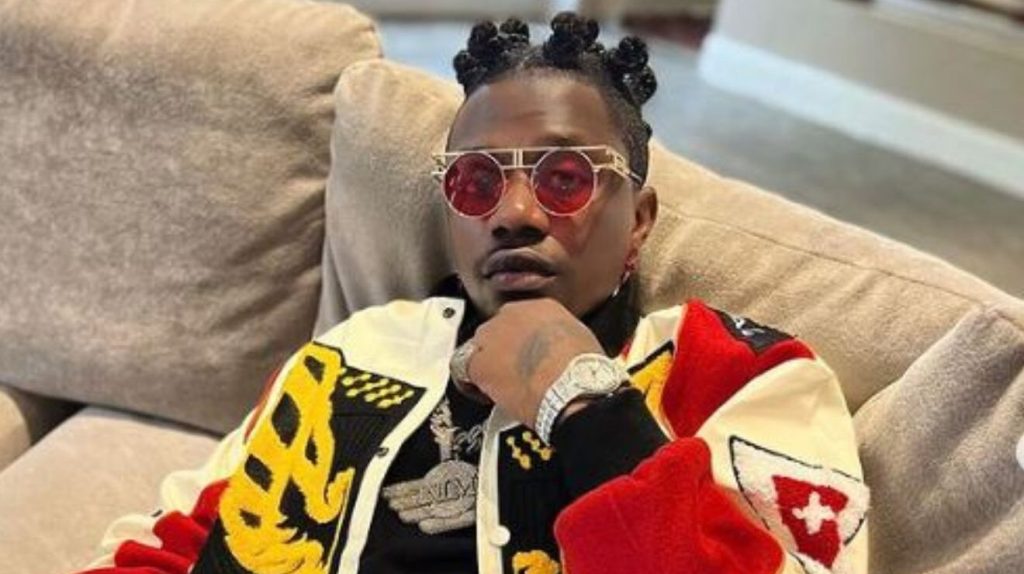
This connection extends beyond sound into fashion, language, and digital behavior. Rayvanny’s visual identity reflects contemporary East African street style, blending global trends with local aesthetics. His lyrics incorporate slang and everyday expressions, reinforcing a sense of shared reality with listeners.
Youth culture today is fluid and highly networked. Songs circulate through social media clips, dance challenges, and peer sharing. Rayvanny’s work thrives in this environment because it feels participatory. His music invites reinterpretation, movement, and communal engagement rather than passive listening.
Digital Platforms and Cultural Circulation
Rayvanny’s rise cannot be separated from the internet’s role in reshaping African music distribution. Streaming platforms, YouTube, and social media have allowed Bongo Flava to reach audiences that were previously inaccessible.
Digital circulation enables artists to bypass traditional gatekeepers, but it also increases competition. Rayvanny stands out by combining consistent output with cultural clarity. His brand feels intentional rather than reactive.
This phenomenon aligns with broader discussions about how culture spreads across borders in the internet age. Rayvanny’s success illustrates how digital visibility amplifies artists who already possess strong local grounding. The internet does not replace culture. It accelerates it.
Relationship With Diamond Platnumz and Industry Mentorship
Rayvanny’s association with Diamond Platnumz played a defining role in his early career. Diamond represents a previous generation of Bongo Flava dominance, one that successfully transitioned from national fame to continental relevance.
Working within that ecosystem exposed Rayvanny to industry discipline, international collaboration, and brand strategy. Yet his trajectory also highlights generational contrast. Where Diamond emphasized star power and spectacle, Rayvanny leans more toward emotional accessibility and youth relatability.
Understanding this dynamic becomes clearer when viewed alongside Loaded Culture’s profile on who is Diamond Platnumz and how Bongo Flava went global. Rayvanny’s rise represents the continuation and evolution of that legacy rather than its repetition.
Language, Swahili Identity, and Global Reach
Rayvanny’s commitment to Swahili is central to his cultural significance. While many African artists adopt English-heavy approaches for international markets, Rayvanny demonstrates that linguistic authenticity can coexist with global reach.
Swahili carries rhythm and emotional nuance that translate through melody even when words are unfamiliar. This reinforces the idea that music operates beyond literal comprehension. Feeling, tone, and delivery matter just as much as language.
By centering Swahili, Rayvanny contributes to cultural preservation while expanding Bongo Flava’s influence. He shows that African languages do not need to be softened or replaced to succeed internationally.
Fashion, Image, and Identity Construction
Rayvanny’s visual presentation reflects modern African youth identity. His fashion choices blend streetwear, traditional influence, and contemporary styling. This visual language complements his music, reinforcing themes of ambition and self-expression.
Image plays a critical role in how youth culture consumes artists today. Visual consistency builds recognition and emotional attachment. Rayvanny understands this, crafting an image that feels aspirational yet attainable.
This balance allows fans to project themselves onto his success, seeing him not as an unreachable figure but as a representation of possibility.
Entrepreneurship and Creative Independence
As his career matured, Rayvanny increasingly focused on creative control and entrepreneurship. Establishing his own label and expanding beyond performer roles reflects a growing trend among African artists seeking sustainability.
Ownership allows artists to shape narratives, mentor emerging talent, and retain cultural direction. Rayvanny’s move into entrepreneurship positions him as more than a participant in Bongo Flava’s new wave. He becomes a builder of its future.
This shift mirrors broader conversations about African creatives reclaiming agency within global systems that historically extracted value without long-term investment.
Pan-African Collaborations and Cultural Dialogue
Rayvanny’s collaborations across Africa reinforce his continental relevance. By working with artists from different regions, he participates in a shared African pop conversation that transcends national borders.
These collaborations are not purely commercial. They represent cultural dialogue, blending regional styles and audience bases. Each collaboration expands Bongo Flava’s reach while reinforcing its adaptability.
This approach reflects how African pop culture increasingly functions as an interconnected ecosystem rather than isolated markets.
Criticism, Growth, and Artistic Maturity
Like many visible artists, Rayvanny has faced criticism, both musical and personal. Public scrutiny is an inevitable part of influence. What matters is response.
Over time, Rayvanny has demonstrated growth in both sound and public presence. His music reflects increased emotional depth, while his career decisions show greater strategic awareness. This evolution strengthens his credibility and longevity.
Youth audiences value authenticity, including vulnerability and growth. Rayvanny’s willingness to evolve publicly reinforces his connection to that audience.
Rayvanny’s Cultural Legacy in Progress
Rayvanny’s story is still unfolding, but his impact is already visible. He represents a generation of East African artists who are globally aware, digitally fluent, and culturally grounded.
His contribution to Bongo Flava’s new wave lies in balance. He bridges tradition and modernity, local language and global circulation, personal expression and communal identity.
In a cultural moment where African youth increasingly define global trends rather than follow them, Rayvanny stands as a clear example of how regional voices can shape continental narratives.
He is not simply following the movement of African pop culture. He is helping define where it goes next.
