

A. P. J. Abdul Kalam was one of India’s most admired scientists, educators, and leaders. Popularly known as the “Missile Man of India,” he played a crucial role in developing India’s missile and nuclear programs. His journey from a humble background in a small coastal town to becoming the 11th President of India continues to inspire millions.
Many students search for A. P. J. Abdul Kalam biography in Hindi to learn about his life in a simple and motivating format. His life story represents discipline, resilience, education, patriotism, and dedication to youth empowerment. Kalam was not just a scientist or a politician, he was a visionary who believed in the power of dreams and knowledge.
Early Life and Family Background
A. P. J. Abdul Kalam was born on October 15, 1931, in Rameswaram, a small town in Tamil Nadu, India. His full name was Avul Pakir Jainulabdeen Abdul Kalam. He came from a modest Muslim family. His father, Jainulabdeen, owned boats that ferried pilgrims between Rameswaram and Dhanushkodi. His mother, Ashiamma, was a caring homemaker who supported the family with dedication.
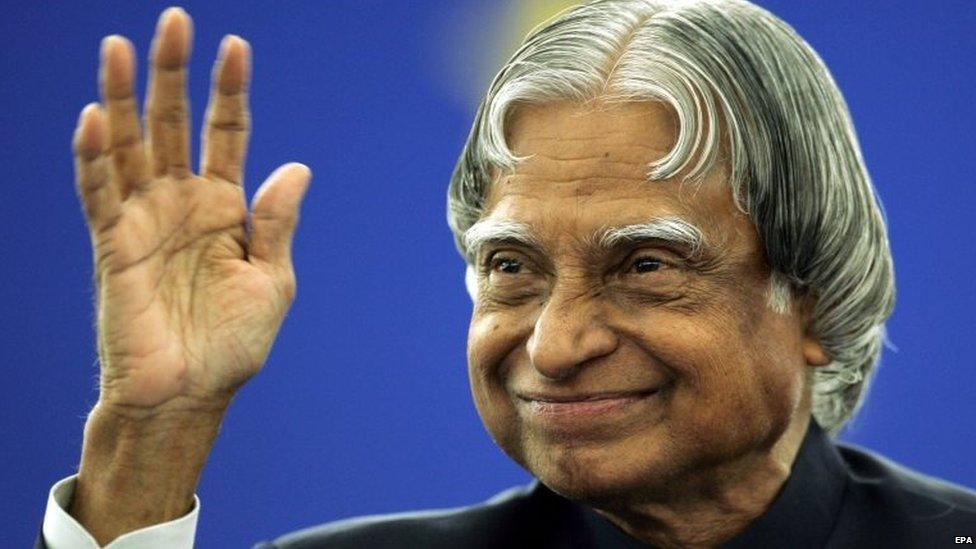
The family was not financially strong, but they valued honesty, simplicity, and faith. Kalam grew up in a disciplined environment where education and hard work were encouraged. From a young age, he showed curiosity about the world around him.
To support his family financially, young Kalam sold newspapers before going to school. This experience taught him responsibility and independence at an early age. These early struggles shaped his character and instilled a strong sense of determination.
Education and Academic Journey
Kalam completed his primary education at the Rameswaram Elementary School. He later attended Schwartz Higher Secondary School in Ramanathapuram. His teachers recognized his intelligence and encouraged him to pursue higher studies.
After completing school, he enrolled at Saint Joseph’s College in Tiruchirappalli, where he earned a Bachelor’s degree in Physics in 1954. Although he initially studied physics, his interest gradually shifted toward engineering and aviation.
He later joined the Madras Institute of Technology to study Aerospace Engineering. This was a turning point in his life. At MIT, he worked on aircraft design projects and developed a deep interest in aeronautics.
During his time at MIT, he faced financial difficulties. However, through scholarships and personal determination, he completed his studies successfully. His academic discipline and strong work ethic impressed his professors.
Early Career in Science
After completing his engineering degree, Kalam joined the Defence Research and Development Organisation as a scientist. His early work involved designing small hovercraft prototypes. Although this phase did not bring major recognition, it provided valuable technical experience.
Later, he joined the Indian Space Research Organisation. This move marked the beginning of his major scientific achievements. At ISRO, he worked on India’s Satellite Launch Vehicle program.
In 1980, the SLV-III successfully launched the Rohini satellite into space. This historic achievement placed India among the countries capable of launching satellites independently. Kalam’s leadership in this project earned him national recognition.
Role in India’s Missile Program
In the 1980s and 1990s, Abdul Kalam led the Integrated Guided Missile Development Program. Under his leadership, India developed missiles such as Agni and Prithvi. These projects significantly strengthened India’s defense capabilities.
Because of his major contributions to missile technology, he became widely known as the “Missile Man of India.” His work combined technical expertise with strong project management skills.
In 1998, Kalam played a significant advisory role during the Pokhran-II nuclear tests. These tests enhanced India’s strategic defense position on the global stage.
Awards and National Recognition
For his scientific contributions, Abdul Kalam received several prestigious awards. He was honored with the Padma Bhushan in 1981 and the Padma Vibhushan in 1990. In 1997, he received the Bharat Ratna, India’s highest civilian award.
These honors recognized his contribution to science, technology, and national security.
Presidency of India
In 2002, Abdul Kalam was elected as the 11th President of India. His presidency lasted until 2007. Unlike many political leaders, he came from a scientific background and had no strong political affiliations.
As President, he focused on inspiring youth. He traveled extensively across India, visiting schools, colleges, and universities. He believed that the future of India depended on educated and motivated young citizens.
He was often referred to as the “People’s President” because of his simplicity and accessibility. He maintained a modest lifestyle even while holding the highest constitutional office.
Vision for India
Abdul Kalam had a clear vision for India’s future. He believed that India could become a developed nation through advancements in science, technology, education, and self-reliance.
He emphasized the importance of innovation and entrepreneurship. He encouraged students to dream big and work hard to achieve those dreams. One of his famous quotes was, “Dream, dream, dream. Dreams transform into thoughts and thoughts result in action.”
He believed that knowledge was the most powerful tool for national development.
Leadership Style and Work Ethics
A. P. J. Abdul Kalam was known not only for his intelligence but also for his remarkable leadership style. Unlike many administrators who focused solely on authority, Kalam believed in collaborative leadership. During his time in scientific organizations, he encouraged teamwork and valued the ideas of young scientists. He created an environment where innovation was welcomed and failure was treated as a learning opportunity rather than a setback.
One of the most inspiring examples of his leadership came during the early days of the Satellite Launch Vehicle project. When an initial launch attempt failed, Kalam publicly accepted responsibility as project director. Later, when the mission succeeded, he gave full credit to his team. This gesture became a powerful example of how leaders should protect their teams during failure and share recognition during success.
His work ethic was built on discipline and punctuality. He followed a structured daily routine and spent long hours reviewing technical details, reading research material, and preparing lectures. Even as President, he maintained a scholar’s curiosity and a teacher’s mindset.
Relationship with Youth and Education Reform
Education was the central theme of Kalam’s life philosophy. After completing his presidential term in 2007, he did not retire from public life. Instead, he returned to what he loved most, teaching. He accepted visiting professorships at multiple institutions and interacted directly with students across the country.
He often spoke about transforming India into a developed nation by 2020, a vision he detailed in his book “India 2020.” He believed that economic development required scientific innovation, agricultural advancement, and technological self-reliance.
Kalam consistently emphasized that students should not limit themselves to conventional career paths. He encouraged entrepreneurship, research, and creative thinking. In many of his speeches, he urged young people to set clear goals and work toward them with determination.
His birthday, October 15, is observed in many schools as a day dedicated to students and inspiration. His speeches continue to circulate widely in educational settings.
Spiritual Outlook and Personal Philosophy
Although he was a scientist, Abdul Kalam maintained a deep spiritual outlook. He believed that science and spirituality were not in conflict but rather complementary. He read religious texts from different faiths and often spoke about unity and harmony.
He promoted national integration and cultural understanding. Growing up in Rameswaram, he experienced a multicultural environment where people of different religions lived peacefully. This early exposure shaped his inclusive mindset.
Kalam believed that moral values were essential for national progress. He often spoke about integrity in public life and the importance of ethical leadership. His own lifestyle reflected these principles. Even after serving as President, he did not accumulate personal wealth or property.
Global Recognition and International Influence
Abdul Kalam was respected not only within India but also internationally. Universities around the world awarded him honorary doctorates for his contributions to science and leadership. He represented India at global forums and advocated peaceful development through technology.
His emphasis on using scientific progress for humanitarian purposes earned him admiration beyond political boundaries. Many international leaders recognized him as a symbol of intellectual growth and visionary thinking.
Enduring Impact on Modern India
Years after his passing, Kalam’s ideas remain relevant. India’s growing focus on innovation, digital technology, and space exploration reflects the foundation laid by scientists like him. His belief in youth-driven development continues to influence policymakers and educators.
Educational institutions frequently include his speeches and life lessons in curricula. Scholarships and awards in his name encourage students to pursue excellence in science and public service.
Abdul Kalam’s enduring impact lies in the mindset he inspired. He taught that success requires vision, knowledge, and relentless effort. His life story continues to motivate students who search for A. P. J. Abdul Kalam biography in Hindi to understand how a humble beginning can lead to extraordinary achievements.
His legacy stands as a reminder that true greatness lies not only in achievement but in inspiring others to dream and act.
Books and Literary Contributions
Apart from being a scientist and President, Kalam was also a writer. His autobiography, “Wings of Fire,” remains one of the most widely read inspirational books in India.
Other books written by him include “Ignited Minds,” “India 2020,” and “My Journey.” These books reflect his ideas about development, leadership, and youth empowerment.
Many students searching for A. P. J. Abdul Kalam biography in Hindi also seek summaries of these books for academic and motivational purposes.
Personal Life and Values
Abdul Kalam remained unmarried throughout his life. He dedicated himself entirely to science, education, and public service. He lived a simple life with minimal personal possessions.
He valued honesty, discipline, and humility. Despite receiving global recognition, he remained grounded and approachable.
His personal integrity and ethical conduct made him one of the most respected public figures in India.
Death and Legacy
On July 27, 2015, Abdul Kalam was delivering a lecture at the Indian Institute of Management Shillong when he collapsed. He passed away while doing what he loved most, teaching students.
His death was mourned across India and around the world. Leaders, students, and citizens paid tribute to his contributions.
Today, his legacy continues through educational initiatives, scholarships, and institutions named after him. His birthday, October 15, is celebrated as World Students’ Day in India.
The life of A. P. J. Abdul Kalam is a powerful example of how dedication, education, and vision can transform an individual’s destiny. From selling newspapers as a child to becoming President of India, his journey continues to inspire millions.
Students searching for A. P. J. Abdul Kalam biography in Hindi often seek a clear and detailed understanding of his life, education, and achievements. His story teaches that success is not determined by background, but by determination and hard work.
Abdul Kalam’s legacy lives on in the hearts of young dreamers who believe in building a better future through knowledge and integrity.
Frequently Asked Questions (FAQ)
Who was A. P. J. Abdul Kalam?
He was an Indian scientist and the 11th President of India, known for his contributions to missile technology and national development.
Why is he called the Missile Man of India?
He led India’s missile development programs, including Agni and Prithvi, strengthening the country’s defense capabilities.
When did he serve as President?
He served as President of India from 2002 to 2007.
What awards did he receive?
He received Padma Bhushan, Padma Vibhushan, and Bharat Ratna.
Why is A. P. J. Abdul Kalam so popular among students?
He inspired youth through his speeches, books, and strong belief in education and innovation.
This biography is part of Loaded Culture’s exploration of global figures shaping identity, leadership, and cultural evolution. Discover more profiles in our Biography or explore broader cultural analysis on the LoadedCulture, where history, influence, and modern culture connect.
