

Akira Toriyama was one of the most influential manga artists in history, best known as the creator of Dragon Ball, a franchise that reshaped global pop culture. Through his distinctive art style, imaginative storytelling, and unforgettable characters, Toriyama helped turn Japanese manga and anime into worldwide phenomena.
From humble beginnings as a manga artist in Japan to becoming a creative force whose work inspired generations of writers, animators, and game designers, Toriyama’s legacy extends far beyond comic pages. His creations influenced television, film, gaming, and even international youth culture.
Early Life and Artistic Beginnings
Akira Toriyama was born on April 5, 1955, in Nagoya, Aichi Prefecture, Japan. From a young age, he displayed a strong interest in drawing, particularly influenced by animated films and Western cartoons. He admired Disney animations and later cited Osamu Tezuka, often called the “God of Manga,” as a major inspiration.
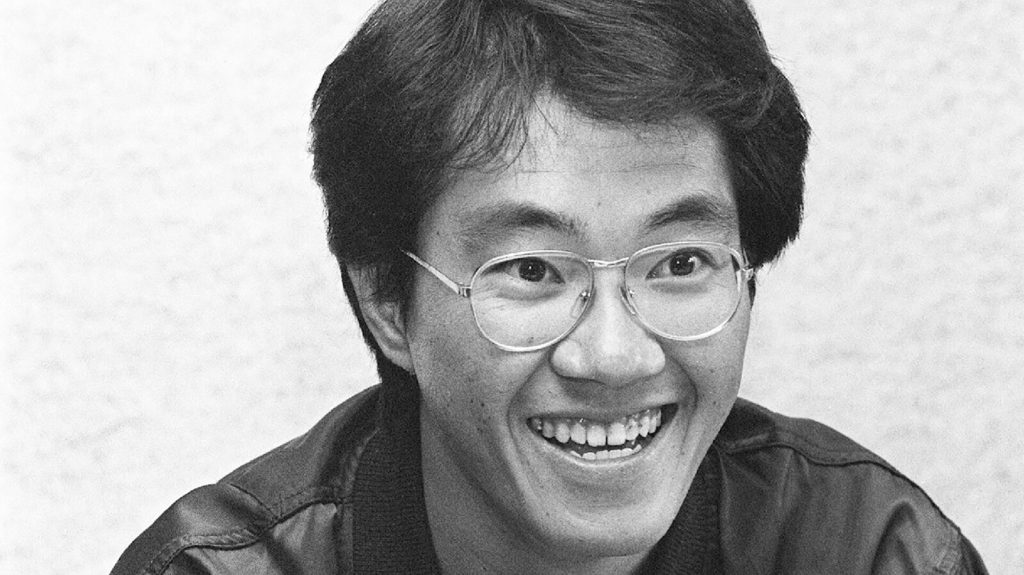
After high school, Toriyama worked briefly in advertising design. However, he soon left the job due to dissatisfaction with corporate life. Seeking a new path, he submitted manga to Weekly Shonen Jump, one of Japan’s leading manga magazines. His early efforts struggled to gain traction, but persistence paid off.
In 1978, he made his professional debut with Wonder Island. Although it was not a major success, it introduced editors and readers to his playful visual style and comedic timing.
Breakthrough with Dr. Slump
Toriyama’s first major breakthrough came in 1980 with Dr. Slump. The comedic series followed the adventures of a brilliant but eccentric scientist and his mischievous robot creation, Arale Norimaki.
Dr. Slump quickly became a hit, running until 1984 and winning the Shogakukan Manga Award. The series showcased Toriyama’s signature elements:
-
Exaggerated expressions
-
Clean, dynamic character designs
-
Absurd humor
-
Inventive mechanical drawings
The success of Dr. Slump established him as a major figure in manga and gave him creative freedom for future projects.
The Creation of Dragon Ball
In 1984, Toriyama launched what would become his defining work: Dragon Ball. Initially inspired by the classic Chinese novel Journey to the West, the series began as a lighthearted adventure story following a young martial artist named Goku.
However, as the story evolved, it transformed into an action-driven saga filled with intense battles, cosmic threats, and increasingly powerful characters. The introduction of Saiyans, Super Saiyan transformations, and intergalactic story arcs helped redefine the battle manga genre.
Dragon Ball ran in Weekly Shonen Jump from 1984 to 1995 and was later adapted into multiple anime series:
-
Dragon Ball
-
Dragon Ball Z
-
Dragon Ball GT
-
Dragon Ball Super
The franchise became a global sensation, particularly in countries across Asia, Europe, Latin America, and North America. For many international audiences, Dragon Ball Z was their first exposure to Japanese anime.
Global Cultural Impact
Akira Toriyama’s influence extends beyond manga readership. Dragon Ball helped establish anime as a mainstream entertainment category worldwide. The series influenced countless creators, including manga artists, comic book writers, and filmmakers.
Its impact can be seen in:
-
The structure of modern battle anime
-
Power-scaling storytelling techniques
-
Character transformation arcs
-
Tournament-style narrative formats
Popular franchises such as Naruto, One Piece, and Bleach were shaped by the blueprint Toriyama helped create.
Beyond anime, Dragon Ball became a merchandising empire, generating billions in revenue through toys, video games, films, and apparel. Characters like Goku, Vegeta, and Frieza became globally recognized pop culture icons.
Contributions to Video Games
Toriyama also made a major impact in the gaming industry. He designed characters for the highly successful Dragon Quest video game series, which became one of Japan’s most beloved RPG franchises.
His art style gave Dragon Quest a distinctive identity, blending fantasy elements with his signature rounded character designs. He later contributed to other notable games such as Chrono Trigger, a classic RPG widely considered one of the greatest video games ever made.
Through these projects, Toriyama influenced not only manga and anime, but interactive storytelling as well.
Artistic Style and Storytelling Approach
Toriyama’s art style is instantly recognizable. His characters often feature:
-
Rounded facial features
-
Spiky hairstyles
-
Expressive eyes
-
Dynamic action poses
His panel layouts are clean and easy to follow, making complex fight scenes visually clear. Unlike heavily detailed or cluttered styles, Toriyama favored clarity and flow.
Narratively, he combined humor with high-stakes drama. Even during intense battle arcs, comedic moments and lighthearted dialogue remained present. This balance made his stories accessible to wide age groups.
His pacing also set new standards. Fights were choreographed with cinematic rhythm, building tension gradually before explosive climaxes.
Later Career and Continued Influence
Although Dragon Ball officially ended in 1995, Toriyama remained involved in new adaptations, films, and expansions of the franchise. He contributed to the story and character designs of Dragon Ball Super, ensuring continuity with his original vision.
In addition to new projects, his earlier works continued to generate interest through reprints, remasters, and streaming platforms.
Toriyama maintained a relatively private personal life, rarely seeking media attention despite his global fame. This quiet presence contrasted with the enormous cultural footprint of his creations.
Dragon Ball and the Globalization of Anime
When Dragon Ball Z began airing internationally in the 1990s and early 2000s, few could predict how profoundly it would shape global youth culture. In countries across Latin America, Europe, Africa, and North America, the series became a daily ritual for millions of viewers. It was more than a television show – it became a shared generational experience.
For many Western audiences, Dragon Ball Z served as a gateway into Japanese animation. At a time when anime was still considered niche outside Japan, the explosive action, emotional rivalries, and long-form storytelling captivated viewers. The idea of heroes training to surpass their limits, transforming into more powerful versions of themselves, and defending Earth from cosmic threats resonated universally.
Toriyama’s work played a critical role in normalizing anime as a mainstream entertainment category. Today’s global anime boom, with streaming platforms investing heavily in Japanese content, owes much to the foundation built by Dragon Ball.
The Philosophy Behind Strength and Growth
At the core of Toriyama’s storytelling was a simple but powerful idea: growth through challenge. Goku’s journey is defined by constant self-improvement. He trains relentlessly, embraces stronger opponents, and views defeat as an opportunity to evolve.
This philosophy distinguished Dragon Ball from many earlier action narratives. Instead of portraying strength as static, Toriyama framed it as a continuous process. Each new villain forced the heroes to push beyond their limits. The concept of “power levels” and transformations such as Super Saiyan became symbolic of unlocking hidden potential.
This narrative structure influenced not just manga and anime, but storytelling across comics, video games, and animated series worldwide. The transformation trope, now common in global pop culture, became iconic largely because of Toriyama’s execution.
Character Design and Lasting Iconography
Few creators have designed characters as instantly recognizable as Goku. With his spiky hair, orange gi, and cheerful determination, Goku became one of the most iconic animated characters in history. Villains like Frieza and Cell introduced layered antagonists who were both terrifying and charismatic.
Toriyama’s mechanical designs were equally influential. From space pods to androids, his machines balanced simplicity with futuristic imagination. His clean linework made complex designs readable and adaptable for animation, which contributed to the franchise’s visual consistency across decades.
Even outside of Dragon Ball, Toriyama’s artistic fingerprints remain visible in modern anime aesthetics. Rounded faces, expressive action poses, and streamlined battle choreography became genre standards.
A Creator Who Preferred Privacy
Despite his global fame, Akira Toriyama remained notably private. He rarely made public appearances and often described himself as someone who preferred quiet, rural life. Interviews reveal a creator who valued humor, spontaneity, and creative freedom over celebrity status.
This modest public persona contrasts with the immense commercial empire built around his work. It also reinforces the idea that Toriyama’s primary focus was always storytelling rather than personal recognition.
Influence Across Generations
New generations continue discovering Dragon Ball through reboots, remastered editions, theatrical releases, and streaming platforms. Dragon Ball Super introduced the franchise to younger audiences while reigniting nostalgia among longtime fans.
Modern creators frequently cite Toriyama as an inspiration. From manga artists in Japan to comic book writers in the West, his narrative structure and character progression techniques are widely studied.
Even in competitive gaming and esports culture, references to Saiyan transformations and “powering up” remain common metaphors for improvement and dominance.
A Legacy Beyond Entertainment
Akira Toriyama’s legacy extends beyond commercial success. He demonstrated how local storytelling traditions could achieve global resonance without losing cultural specificity. His work helped position Japanese pop culture as a dominant global force in the 21st century.
Through humor, action, and emotional resilience, Toriyama created stories that crossed language barriers and united diverse audiences. His characters taught lessons about perseverance, loyalty, and self-belief.
In the history of manga and anime, few names carry as much weight. Akira Toriyama did not just create a successful series – he helped shape modern global entertainment culture.
Death and Legacy
Akira Toriyama passed away on March 1, 2024, at the age of 68. His death prompted tributes from fans, creators, and industry leaders worldwide. Major manga artists, anime studios, and even international celebrities acknowledged his immense influence.
His legacy is not limited to sales numbers or awards. Toriyama fundamentally changed how action storytelling works in visual media. He created a universal language of strength, growth, friendship, and perseverance that resonates across cultures.
Generations of fans grew up watching Goku train, fight, lose, and rise again. That emotional connection cemented Toriyama’s place in global pop culture history.
Frequently Asked Questions (FAQ)
Who was Akira Toriyama?
Akira Toriyama was a Japanese manga artist best known for creating Dragon Ball and Dr. Slump. He was one of the most influential figures in the history of manga and anime.
When was Akira Toriyama born?
He was born on April 5, 1955, in Nagoya, Japan.
What is Akira Toriyama most famous for?
He is most famous for Dragon Ball, a manga and anime franchise that became a global cultural phenomenon.
Did Akira Toriyama work on video games?
Yes. He designed characters for major video games including Dragon Quest and Chrono Trigger.
When did Akira Toriyama die?
He passed away on March 1, 2024.
This biography is part of Loaded Culture’s exploration of global figures shaping identity, leadership, and cultural evolution. Discover more profiles in our Biography category or explore broader cultural analysis on the LoadedCulture homepage, where history, influence, and modern culture connect.
